Why did my hazelnut liqueur turn oily or cloudy, and how do I clarify it?
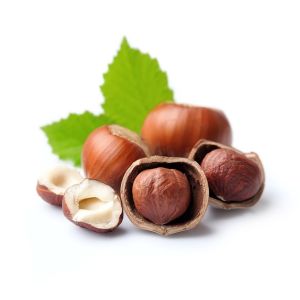
Hazelnuts release oils, which can form a haze—especially after you add syrup or dilute the alcohol. Prevention starts with higher proof extraction (45–60% ABV) and avoiding nut butter texture; keep chops coarse. After straining, let the infusion sit cold for 24–72 hours so oils and fines separate.
To clarify, cold-crash, decant, and then filter through paper slowly. If the liqueur remains slightly opalescent, that’s normal for nut liqueurs; you can accept it as part of the style. Avoid heating—heat can emulsify oils and make haze worse.
Common mistakes include blending nuts, squeezing filters, and adding warm syrup. Flavor impact should remain smooth; if it tastes greasy, reduce nut dose next batch or shorten time. Store refrigerated after opening to slow oxidation of nut oils.
Can I substitute hazelnuts with almonds or cashews in nut liqueur recipes?
You can, but the profile changes. Hazelnut is praline/chocolatey, almonds are marzipan and can go bitter if skins are included, and cashews are creamy and mild. If substituting, keep the same workflow—roast, remove skins where possible, and infuse at higher proof for clean oil extraction.
Adjust dosage and time: almonds often need less time and careful skin control; cashews may need a bit more dose because they’re subtle. For consistency, make separate nut infusions and blend to taste rather than committing a full batch to a new nut.
Common mistakes are treating nuts like fruit (long steeps) and using low proof (unstable oils). Flavor impact should be nut-forward but clean. Store cool and dark; all nut liqueurs benefit from smaller batches and quicker consumption.
How do I make hazelnut liqueur that tastes nutty, not raw or bitter?
Roasting is the key. Raw hazelnuts taste green and can add bitterness; roasting develops the chocolatey, praline aroma you want. Roast until fragrant and lightly browned, then rub off skins (skins add bitterness) and let nuts cool completely before infusing.
Extraction works best at 45–60% ABV because nut oils dissolve more cleanly at higher proof. Chop coarsely (don’t grind into paste) and steep 5–14 days, tasting from day 4. Strain and let the liqueur settle; nut oils can cause haze, so cold-crash and decant before final filtration.
Common mistakes include using unroasted nuts, leaving skins on, and over-steeping (bitter roast notes). Flavor impact should be praline, cocoa-adjacent, and creamy. Sweeten after straining; a touch of vanilla or cacao nibs can deepen it. Store cool and dark; nut liqueurs are best within 3–6 months for peak aroma.