Why does grape liqueur taste thin, and how can I make it more “wine-like” without fermenting?
Grape flavor is mostly aroma and juice sweetness; alcohol extracts aroma but not the full body of wine. To prevent a thin taste, use more fruit (500–800 g per liter) and sweeten with syrup rather than adding water-heavy juice early. A small acid adjustment (citric/tartaric) can also create a wine-like snap.
If you want “wine-like” structure, add tiny doses of grape skin contact—just a day or two—or include a few raisins for depth. You can also blend in a small amount of brandy to add weight while keeping the grape top-notes. Strain early to avoid tannin spikes.
Common mistakes include diluting too much, chasing flavor by steeping too long, or using stems. The safest way to avoid fermentation is keeping ABV high enough (40%+) from day one and keeping everything scrupulously clean. Rest the liqueur 2–4 weeks; grape profiles integrate noticeably with time.
Can I use frozen white grapes, and does freezing change extraction?
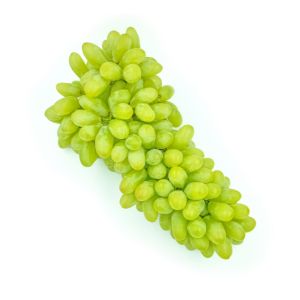
Yes—frozen grapes work very well. Freezing ruptures cell walls, so you get faster extraction and more juice release, which can boost aroma and sweetness. The trade-off is more haze and sediment, so plan for settling and careful filtration.
Use 40–50% ABV and shorten the time: start tasting at day 2 and expect to strain around days 3–5. Let the strained infusion settle cold, then decant and filter again before sweetening. If the liqueur is too watery, reduce dilution and sweeten with a thicker syrup.
Common mistakes are squeezing thawed grapes (pushes pulp through filters) and leaving the mix warm (oxidation). Flavor impact becomes more “juicy” and less floral, depending on the variety. Store finished bottles cold for the freshest profile, especially if you kept more grape solids.
Do I need to peel or destem white grapes for liqueur, and what about bitterness from skins?
You don’t need to peel, but you should destem and rinse well. Stems add green bitterness, and crushed skins can add tannin if left too long. For a clean, aromatic liqueur, keep grapes whole or lightly cracked, and consider removing seeds if the variety is very seedy.
Use 40–50% ABV and a short maceration: 3–7 days is often enough for delicate grape perfume. Taste daily; once it smells like fresh grapes, strain. Sweeten after straining—grapes can read “watery” until sugar and a tiny acid lift bring focus.
Common mistakes include mashing into pulp (cloudy), leaving skins for weeks (tannic), and using very low ABV (risk of fermentation). Flavor impact is floral, honeyed, and light; it pairs well with elderflower, vanilla, or a touch of lemon zest. Store cool and dark; grape aromatics can fade with heat and light.