Can I use red grape skins to boost color, and how long is too long?
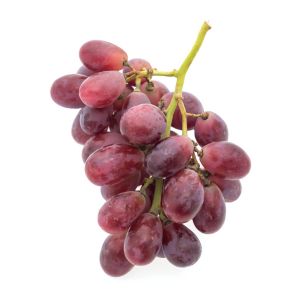
Yes, skins are the color source, but they also bring tannin. For most homemade liqueurs, 24–72 hours of skin contact is enough to boost color noticeably. Taste daily; when the color and aroma feel right, strain—don’t chase deeper red by leaving it for weeks.
If you want color with less tannin, use a higher fruit-to-spirit ratio and shorter time, or blend in a small amount of elderberry/blackberry infusion for natural color support. Avoid warm conditions; heat increases harsh extraction and speeds oxidation.
Common mistakes are mashing skins, using stems, and filtering too aggressively while solids are still suspended. Flavor impact should remain juicy. Store in dark glass if possible; light fades color over time.
Why does my red grape liqueur taste thin, and how do I add body without fermenting?
Grapes are mostly water and aroma; alcohol captures perfume, but you don’t automatically get wine-like body. Increase fruit dosage (600–900 g per liter) and avoid adding juice/water early. Sweeten with syrup rather than diluting, and add a small acid lift for structure.
For more body, add a handful of raisins (or dried grapes) during maceration for 3–7 days—they add depth and glycerol-like richness without fermentation if your starting ABV is 40%+. You can also blend in a little brandy to add weight while keeping the grape top-notes.
Common mistakes include lowering ABV too much, which risks fermentation and still tastes watery. Flavor impact should become rounder, with a longer finish. Store cool and airtight; oxidation makes grape flavors dull quickly.
How do I make red grape liqueur without it tasting tannic or bitter?
Red grapes carry tannins in skins and seeds, so the trick is short skin contact and gentle handling. Destem completely, rinse, and keep grapes whole or lightly cracked—don’t blend. Use 40–50% ABV and start tasting at day 2; strain around days 3–7 for a fresh, juicy profile.
If you want deeper “wine-like” structure, do brief skin contact (1–3 days) and then strain early. Remove seeds if the variety is very seedy, because seed tannin can spike bitterness quickly. Sweeten after straining and consider a small acid adjustment (tartaric/citric) to mimic grape snap.
Common mistakes include leaving skins for weeks, including stems, and pressing the solids hard. Flavor impact should be berry-grape, lightly floral, not mouth-drying. Store cool and dark; red grape aromatics and color are sensitive to heat and oxygen, so minimize headspace.