How do you avoid bitterness when using grapefruit peel in liqueur?
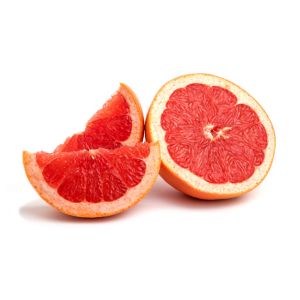
Grapefruit bitterness comes from pith and from over-long peel contact. The aromatic oils you want are in the colored zest; the white pith below it extracts harsh bitterness quickly in alcohol.
Use a peeler to remove only the colored outer zest in thin strips, avoiding pith. Taste early—grapefruit oils can peak fast, often within 1–5 days depending on peel thickness and spirit strength.
If bitterness appears, strain immediately and balance with sweetness and rest. For a deliberate bitter style, build bitterness slowly with small peel additions and blending rather than long maceration with thick peel.
How long should grapefruit zest be infused in alcohol?
Grapefruit zest extracts quickly, but it can drift from bright citrus into bitter, dull, or waxy notes if left too long. The best window is usually short and depends on zest thickness and alcohol strength.
Start tasting after 12–24 hours and expect a good range around 2–7 days for many batches. Remove zest when aroma is vivid and clean, before bitterness builds.
If you want more grapefruit intensity, do multiple short zests with fresh peel rather than one long soak. Short, controlled extractions keep the flavor crisp and fresh.
What’s the best substitute for grapefruit in liqueur making?
Pomelo is the closest substitute, usually less bitter and more floral, though it extracts a little differently. A blend of orange zest with a small amount of lemon zest can also mimic grapefruit-like brightness if pomelo isn’t available.
If you’re chasing grapefruit’s bitter edge, add a tiny amount of bitter orange peel—carefully dosed—rather than over-infusing lemon or orange peel.
Substitution is best done by blending. Build a bright citrus base first, then add bitterness in small steps until it feels grapefruit-like without harsh pith bitterness.