How do you use dried ginger in liqueur making?
Dried ginger is one of the most reliable warming ingredients in homemade liqueur making because it extracts faster and more directly than fresh ginger. It brings concentrated heat, earthy spice, and a drier, more structured ginger profile without adding extra water to the infusion. In neutral spirit, vodka, rum, or brandy, dried ginger can quickly shape the backbone of a recipe, especially in spiced, citrus, coffee, honey, nut, and winter-style liqueurs.
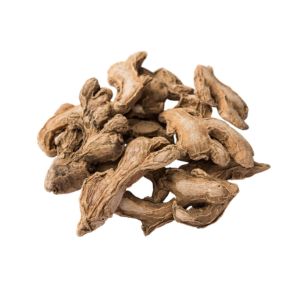
In most recipes, dried ginger should be used with restraint because its extraction behavior is efficient and it can dominate softer ingredients if left too long. A practical starting point is about 2 to 6 grams per 500 ml of alcohol, depending on cut size and the intensity you want. Taste after 24 to 72 hours for a lighter lift, and extend toward 5 to 10 days only when building a bolder spice profile. Powdered ginger is usually harder to manage because it clouds the liquid and can make filtering difficult, so slices or small pieces are usually better.
A common mistake is assuming dried ginger behaves like fresh ginger at the same weight. It does not. Dried ginger is more concentrated, less juicy, and usually sharper on the finish. If you need a substitution, use less dried ginger than fresh ginger and balance it with sweeteners such as honey, sugar syrup, jaggery, or vanilla if the result feels too dry or aggressive. Store dried ginger sealed, dry, and away from light, and break larger pieces just before infusion for more consistent extraction.
How long should dried ginger infuse in alcohol for liqueurs?
Dried ginger usually needs less time than many people expect because it releases its spicy compounds steadily and can become quite assertive. For most homemade liqueurs, a tasting window of 2 to 5 days is a strong starting point, especially in vodka or other neutral spirits where the ginger character is easy to notice. Darker bases such as rum, brandy, or whiskey may absorb ginger more gently, but regular tasting is still essential.
The right infusion time depends on the cut, dosage, alcohol strength, and the other ingredients in the jar. Thin dried slices or crushed pieces extract faster than chunky pieces, while higher-proof alcohol pulls flavor more aggressively. If ginger is only a supporting note behind orange peel, cinnamon, cacao, honey, or herbs, shorter timing is often enough. If ginger is meant to lead the profile, you can extend the infusion, but it is still safer to build intensity gradually rather than leave it untouched for too long.
The biggest mistake is forgetting to taste daily once the ginger starts showing clearly. Over-infused dried ginger can create a harsh, woody, throat-hot finish that sweetness alone may not fully repair. If that happens, you can dilute with more base spirit, add sweetness, or blend the batch with a softer infusion, but prevention is better. Strain promptly when the heat feels slightly below your ideal final level, because sweetness and resting often make the spice feel more integrated later.
What pairs well with dried ginger in homemade liqueurs?
Dried ginger pairs especially well with ingredients that benefit from warmth, lift, and a slightly dry spicy edge. Citrus peels such as orange, lemon, mandarin, and grapefruit are classic partners because ginger sharpens their aroma and gives the liqueur more energy. It also works very well with honey, brown sugar, molasses-like sweeteners, apples, pears, pineapple, mango, tea, coffee, vanilla, cardamom, cinnamon, cloves, and black pepper when used in controlled amounts.
In flavor design, dried ginger is often best used as a bridge ingredient. It can connect fruit to spice, sweetener to alcohol base, or bright notes to darker richer notes. For example, in a rum-based liqueur, dried ginger can tie together orange peel, vanilla, and caramel sugar. In a vodka or rice-spirit liqueur, it can support lemon peel, herbs, or floral notes. Because it adds both aroma and heat, it helps simple liqueurs taste more layered without needing a very long ingredient list.
One common mistake is pairing dried ginger with too many aggressive botanicals at once, which can produce a muddy or medicinal result. If you already use cloves, cassia, star anise, or heavy pepper notes, keep ginger dosage moderate. When substitutions are needed, fresh ginger can create a juicier, brighter character, while galangal gives a more citrusy woody angle, but neither tastes exactly the same. Prepare dried ginger cleanly, store it airtight, and always build pairings around a clear main flavor so the ginger supports rather than overwhelms the final liqueur.