What pairs best with fennel seed in liqueurs: citrus, fruit, or coffee?
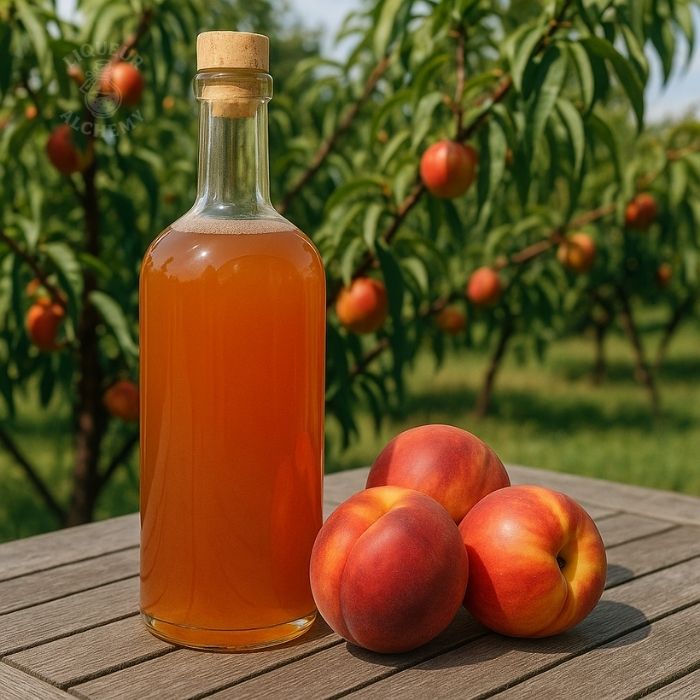
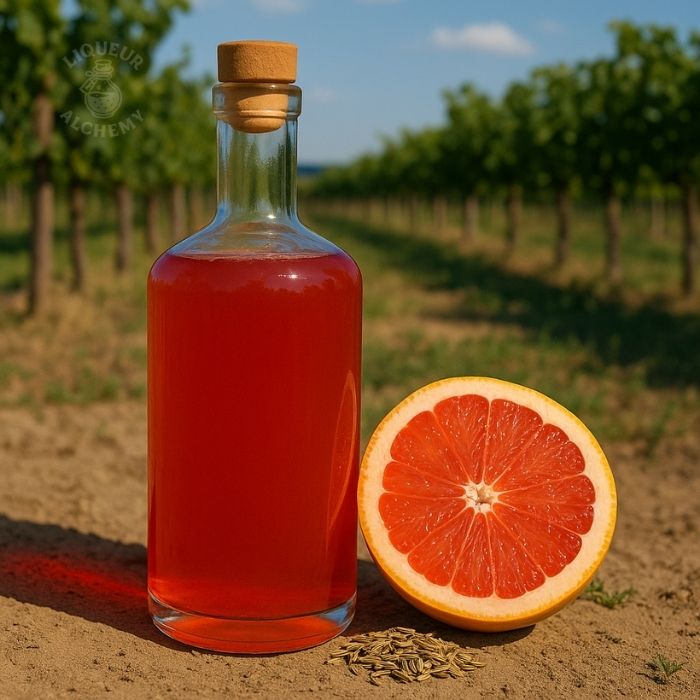
Citrus and fennel are the classic pairing—orange, lemon, and grapefruit peel make fennel read fresh rather than candy-like. Stone fruits (apricot, peach, nectarine) also work well, adding juicy sweetness that rounds fennel’s herbal edge. Coffee can work, but only as a background note; too much roast plus fennel can taste savory.
Timing: infuse your main ingredient first (fruit, coffee, etc.), strain, then add fennel briefly at the end so you can control intensity. If you want a “Mediterranean” vibe, add a micro-dose of rosemary or bay—very small and very short.
Common mistakes are stacking too many anise-like botanicals and steeping everything together. Flavor impact should be aromatic lift and a longer finish. Store cool and dark; fennel-forward liqueurs evolve and can feel stronger after a week of rest.
How much fennel seed should I use so my liqueur doesn’t taste like licorice overload?
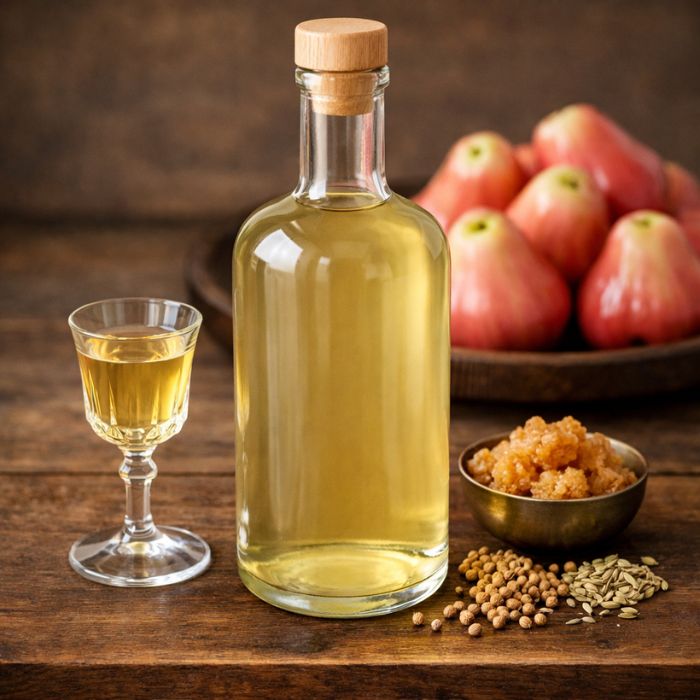
Fennel is intensely aromatic and can dominate fast, especially if crushed. Start with ½–1 tsp seeds per liter (lightly bruised, not powdered) in 40–50% ABV. Taste at 6–12 hours and plan to strain within 12–48 hours for a gentle anise lift.
If you want more complexity rather than more fennel, add complementary notes like citrus peel, vanilla, or a small amount of coriander seed. For precision, make a fennel tincture and dose by drops—this avoids the classic “too much anise” problem.
Common mistakes include grinding seeds, steeping for days, and pairing with strong anise/star anise at the same time. Flavor impact should be fresh, sweet-herbal, not mouthwash. Store seeds airtight; stale fennel tastes woody and flat.
Why does fennel infusion turn bitter or medicinal, and how do I avoid it?
Bitterness usually comes from over-extraction—too much seed, too fine a crush, or too long a steep. Fennel’s aromatic oils are what you want; once you go past that, you pull harsher compounds and the profile becomes medicinal. Strain as soon as the aroma is clearly present.
To avoid it, keep seeds mostly whole, use short steeps, and store the jar cool and dark. If you do overshoot, blend the batch down with an unspiced base and re-balance sweetness. A small citrus note can brighten and reduce the “medicine cabinet” vibe.
Common mistakes include combining fennel with very bitter citrus pith and leaving both for weeks. Flavor impact should feel like soft herbal sweetness. Store finished bottles away from light; fennel aromatics are volatile and fade with heat.