Why does date liqueur sometimes taste flat or overly sweet?
Dates bring lots of sweetness but a relatively narrow aroma range compared to fresh fruit. If you rely on dates alone, the result can taste like “sweet syrup” without enough lift or complexity.
To avoid flatness, add contrast: a little citrus zest, vanilla, coffee, or warm spice can expand the flavor shape. Even tiny amounts can turn date sweetness into a richer, dessert-like profile rather than a one-note sugar hit.
Also control sweetness by balancing after extraction. Start with less added sugar than usual, because dates already contribute sweetness, then adjust gradually once you know how sweet the infusion finished.
What’s the best base spirit and storage method for date liqueur?
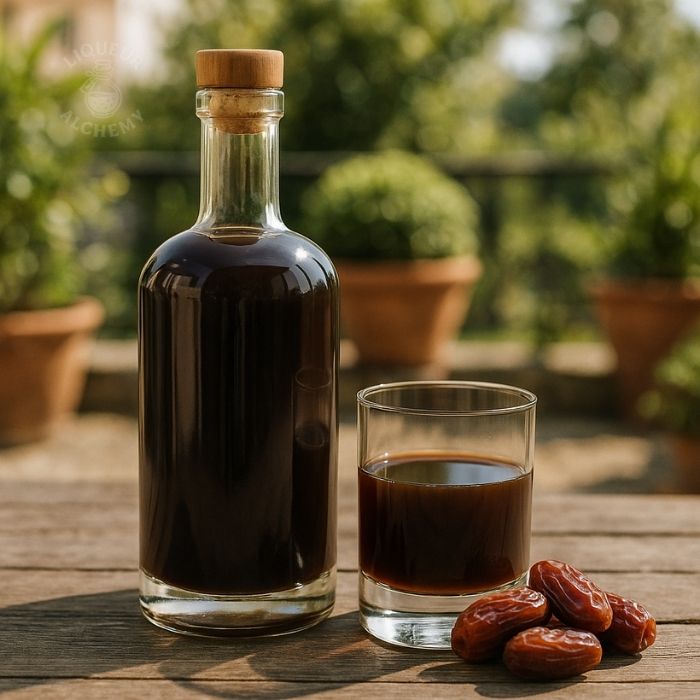
Neutral spirits like vodka highlight date caramel notes cleanly, while rum or brandy can make the liqueur taste deeper and more “aged.” Choose based on the style you want: vodka for clarity, rum/brandy for richness.
Because date liqueur is syrupy, it benefits from thorough straining and patience. Let it settle, then rack off sediment and filter if you want a cleaner texture.
Store sealed and cool, away from heat and light. Date liqueur often improves after a few weeks as sweetness integrates, but keep oxygen exposure low to preserve aroma and prevent dullness.
Do dates need soaking or chopping before making liqueur?
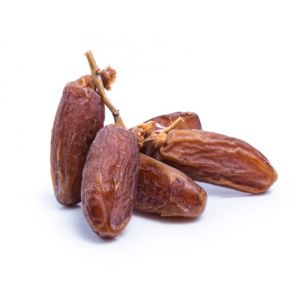
Dates are dense and sugary, so chopping or slicing helps alcohol reach the interior and speeds extraction. Whole dates can work, but they extract more slowly and can trap syrupy sweetness without releasing much aroma.
A helpful prep is to pit and slice, then briefly rinse or wipe to remove surface sugars that can make the jar sticky and hard to filter. You can also soften very dry dates with a short soak in a small amount of alcohol before the main infusion.
Taste often because date sweetness can build quickly and turn the profile heavy. Strain when the liqueur has a caramel-fruit depth, then rest to let the sweetness feel smoother and less cloying.