What’s the best substitute for cucumber in a “fresh green” liqueur?
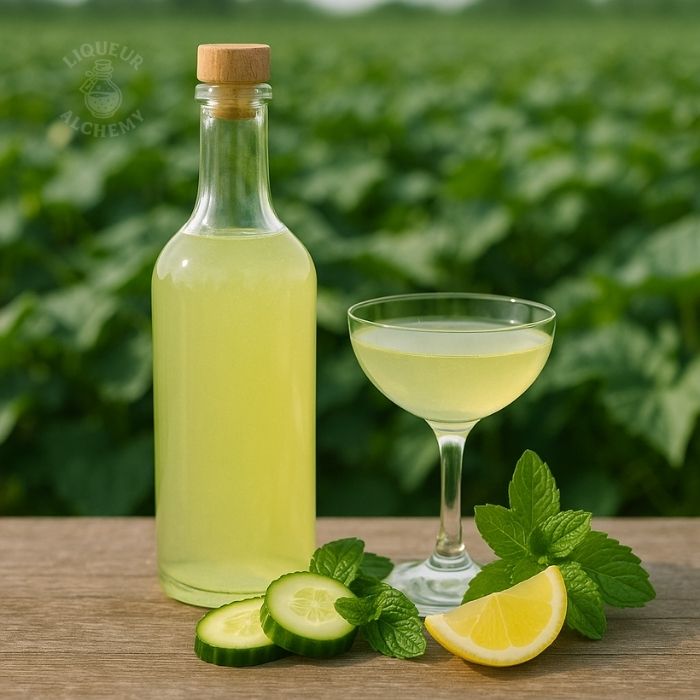
If you want a similar fresh green effect, try a tiny amount of celery leaf, lemon balm, or a very short mint steep. These won’t taste like cucumber, but they can recreate the clean, cooling freshness in a cocktail-friendly way.
For a garden-fresh profile, pair citrus zest with a gentle herb and keep the infusion short. The goal is crisp lift, not savory thickness.
Substitute by function: freshness and brightness. Build your base, then add the herb late in a small dose, tasting frequently so it stays clean.
Why does cucumber liqueur taste watery, and how do you make it stronger?
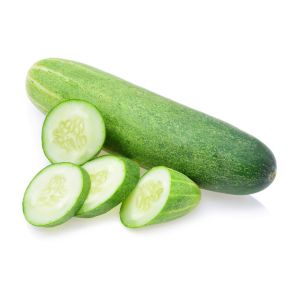
Cucumber is mostly water, and its aroma is delicate, so it can taste weak if you treat it like a bold fruit infusion. Alcohol extracts cucumber’s fresh green notes, but the result can still feel thin without support.
To boost flavor, use cucumber peel (where much of the aroma lives), lightly bruise or slice thin, and infuse for short times while tasting often. Pairing with citrus zest, mint, or a small amount of herb can amplify the fresh impression without turning it savory.
Sweetening changes perception too. A modest syrup level can make cucumber feel rounder, and resting a few days helps the green notes integrate. For more intensity, do two short cucumber infusions and blend.
How long should cucumber be infused in alcohol before it turns vegetal?
Cucumber can go from crisp and fresh to vegetal if left too long, especially if the infusion includes seeds and watery flesh. The best window is usually short—often 6–48 hours depending on slice thickness and temperature.
Start tasting after a few hours. Strain as soon as you get a clear cucumber aroma and a clean finish. Longer macerations rarely add more freshness; they mostly add green bitterness and watery dullness.
For stability and control, treat cucumber as a finishing infusion. Build the base first, then add cucumber briefly near the end and strain promptly.