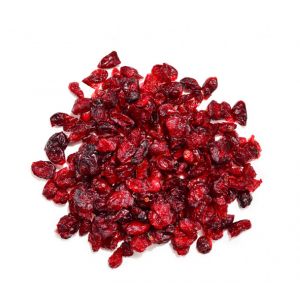
Why did my dried cranberry liqueur taste like candy, and how do I make it more tart and fresh?
Most dried cranberries are sweetened, so the infusion naturally leans candy-like unless you build tartness back in. First, hold back on added syrup—strain, taste, and only sweeten if needed. Then brighten with a tiny citric acid addition or a small amount of lemon/lime zest infusion (added briefly and strained).
You can also add a little bitterness for structure: a touch of orange peel (no pith) or a few crushed rosehip pieces steeped briefly can make cranberry feel more “adult.” If it’s already too sweet, blend down with neutral spirit and re-balance with acid and aroma.
Common mistakes include using flavored dried cranberries, adding cinnamon/clove too early (holiday-candy effect), and not tasting before sweetening. Flavor impact should be crisp, ruby, and refreshing. Store cool; cranberry profiles stay stable, but citrus accents fade first.
Do I need to chop dried cranberries for better extraction, and how do I avoid haze?
Chopping increases surface area and speeds extraction, but it also releases more fine particles that create haze and sediment. A good compromise is to lightly bruise or roughly chop half the batch and leave the rest whole. Use a wide-mouth jar so you can stir gently without shredding the fruit.
After maceration, do a two-stage strain: first through a sieve, then let the liquid settle for 24–48 hours and decant before final filtering. Avoid squeezing the fruit bag—pressing forces tiny solids into the liqueur and makes filters clog.
Common mistakes include using a blender (instant sludge) and filtering too soon. Flavor impact is mostly in the fruit flesh, so time does more than aggressive prep. Store finished bottles cool and dark; haze is mostly cosmetic, but settling improves texture and appearance.
How do dried cranberries behave in infusion compared with fresh cranberries?
Dried cranberries extract more slowly but give a deeper, candy-like cranberry note with less bright “fresh” aroma. They also bring added sugar (many are sweetened), so sweetness creeps up during maceration. Use 40–50% ABV and plan for 10–21 days, tasting weekly.
Dosage: start around 200–350 g per liter. If the cranberries are heavily sweetened, reduce your later syrup plan and taste before adding any sugar. A small acid adjustment (citric) after straining can bring back the tart cranberry snap that drying can mute.
Common mistakes include assuming dried fruit extracts instantly, oversweetening at the end, and not rinsing sticky berries (which can add a processed note). Flavor impact is tart-sweet berry with a slight wine note—great with orange peel or cinnamon in tiny doses. Store cool and dark; cranberry holds up well over time.