Are crabapples good for liqueur, and how do I handle their tartness?
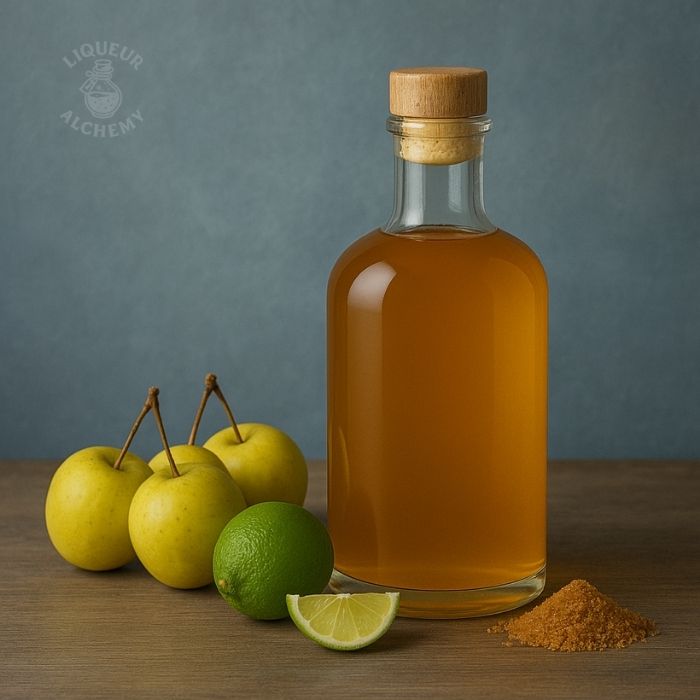
Crabapples are excellent for liqueur because they’re intensely aromatic and tart, often with a floral apple-skin perfume. Their acidity is high, so you usually need more sweetness than with dessert apples. Slice or quarter, remove stems, and keep seeds minimal; don’t puree.
Use 40–50% ABV and macerate 2–6 weeks, tasting weekly. Crabapple aroma develops with time, but long contact can add tannin from skins and seeds, so strain when the flavor is bright and not mouth-drying. Sweeten after straining and do it in stages.
Common mistakes include using bruised fruit (oxidation), leaving lots of seeds, and overspicing. Flavor impact is tart apple, floral, and lively; pairs well with cinnamon (tiny), vanilla, or a brief orange-peel lift. Store cool and dark; apple aromatics fade with heat and oxygen.
Why did my crabapple liqueur taste astringent, and how do I prevent it?
Astringency comes from tannins in skins and seeds, and it increases with long steeping and heavy crushing. Strain immediately if it feels mouth-drying. Then sweeten slightly and let it rest; integration can soften astringency, and blending down with a cleaner apple infusion can help.
To prevent, keep pieces large, avoid mashing, and taste weekly. Remove stems and limit seed contact. If you want more intensity, increase fruit dose rather than extending time far beyond the point where aroma is strong.
Common mistakes include leaving fruit for months and pressing solids hard. Flavor impact should be crisp tart apple with floral lift, not drying. Store cool and dark; oxidation makes tannins feel harsher as aroma fades.
What’s the best base spirit for crabapple liqueur, and can I substitute regular apples?
Vodka keeps crabapple clean and aromatic; brandy adds baked depth and can be great if you want a richer sipper. Light rum is less common but can work if kept subtle. Use 40–50% ABV and let the fruit do the talking.
You can substitute regular apples, but you’ll lose intensity—dessert apples are milder and often need either more fruit or added structure (a touch of apple peel, or blending with a small amount of crabapple if available). If using regular apples, shorten steep time to avoid dullness and oxidation.
Common mistakes include using heavily oaked spirits that mask apple perfume and adding strong spices early. Flavor impact should be crisp and bright. Store cool and dark; apple aromatics are delicate and fade with heat and headspace.