Can I substitute roasted coffee for green coffee beans in a recipe, and what changes?
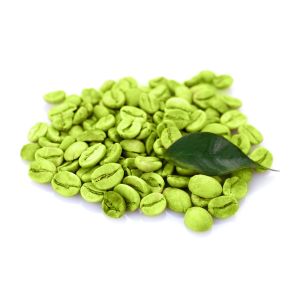
You can, but the profile shifts dramatically. Green coffee is herbal and nutty; roasted coffee brings chocolate, toast, and classic espresso aromatics. Roasted coffee also extracts faster and can turn bitter if you go too hot or too long, so you typically use shorter contact times or cold-steeped concentrates.
If substituting, reduce dosage and time: start around 5–10 g whole roasted beans per liter for 6–24 hours, tasting frequently. Alternatively, add a measured amount of cold brew concentrate after you strain the base infusion—this gives control and avoids over-extraction. Sweetness usually needs to be higher with roasted coffee because roast bitterness reads sharper.
Common mistakes: using ground coffee (sediment), hot brewing into alcohol (stale bitterness), and pairing with heavy spices that bury nuance. For storage, coffee liqueurs improve after 1–2 weeks of rest, but keep them away from light and heat to preserve aroma.
Why did my green coffee liqueur turn sour or “vegetal,” and how do I fix it?
A sour/vegetal edge usually means you extracted too much chlorogenic bite or used beans that were old or stored poorly. Fix the process first: use fresher green beans, keep the steep short (hours, not days), and avoid warm temperatures. A higher-proof base and lower dosage often gives cleaner aroma.
To fix a batch, blend it down with neutral spirit and add sweetness gradually; sugar rounds the sharp edges. A small amount of vanilla or cacao can also soften the green, planty top notes. If it’s still harsh, a tiny pinch of salt and a controlled acid adjustment (just a few drops of citric solution) can improve perceived balance.
Common mistakes include crushing too fine and leaving lots of headspace (oxidation). Filter well, rest 1–2 weeks, and re-taste; green coffee needs integration. Store in the dark and consider smaller bottles to reduce oxygen exposure after opening.
How do I use green coffee beans in liqueur without harsh grassy bitterness?
Green coffee has herbal, nutty, slightly peppery notes and can get harsh if over-extracted. Lightly crack or coarsely crush (don’t powder), and use higher-proof spirit (50–60% ABV) to pull aroma efficiently with shorter contact. Start with a small dose—10–20 g per liter—and taste daily.
Timing is the biggest lever: 12–48 hours often gives plenty of character, while 3–7 days can become aggressively bitter and astringent. Once you hit the flavor you like, strain immediately and only then add sweetener. If you want more “coffee” while staying smooth, blend a tiny amount of roasted coffee infusion into the green coffee base.
Common mistakes: leaving beans too long, using fine grounds (muddy filtration), and adding sweetener too early (harder to judge extraction). Flavor impact is herbal coffee‑tea, great with citrus peel, vanilla, or cacao nibs—added in micro-doses. Store dark and cool; green coffee notes fade faster than roasted, so drink within a few months for peak aroma.