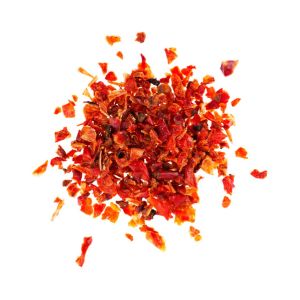
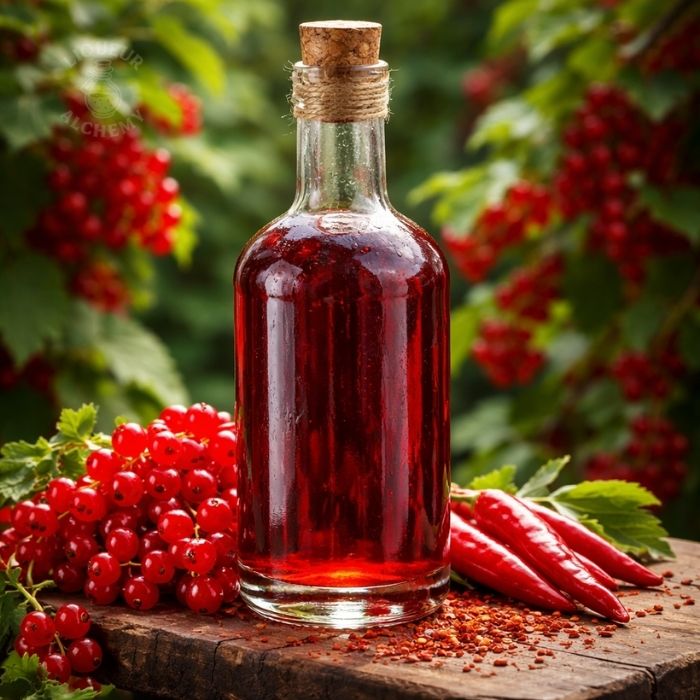
Why did my chili-infused liqueur develop a papery, dusty bitterness?
That bitterness usually comes from over-extraction of skins and seeds—common with flakes, especially if they’re left too long. Strain immediately when you notice the dusty note; time only makes it worse. Sweetness can soften it, but it won’t remove the underlying bitter compounds.
To salvage, blend the batch with more unspiced base and re-balance sweetness. Adding a small citrus zest infusion can distract the palate and make the bitterness feel less obvious. For future batches, switch to whole dried chilies (easier to remove) or use a tincture so steep time stays short and repeatable.
Common mistakes are using low-quality flakes, steeping warm, and trying to “fix” by adding more chili (it adds more bitterness too). Flavor impact should be warm and lively; if it tastes like paprika dust, you’ve gone too far. Store spice airtight; stale chili flakes taste flat and papery.
What’s the best way to measure chili heat consistently between batches?
Chili variability is huge, so consistency comes from using a standardized concentrate. Make a tincture with a fixed ratio (for example, a set weight of flakes per 100 ml of high-proof alcohol), steep for a fixed time, then strain. Label the tincture and dose your liqueur in measured drops or milliliters per liter.
Always dose after you’ve sweetened to roughly the final level, because sweetness changes how heat is perceived. Add, stir, wait 10 minutes, taste again—heat “blooms” a little with time. Keep notes: ml tincture per liter, base spirit, sugar level, and resting time.
Common mistakes include dosing directly with flakes (unrepeatable), tasting immediately after shaking (inaccurate), and changing chili brands without adjusting. Flavor impact should be predictable warmth. Store tincture dark and cool; it’s stable and makes future batches much easier.
How do I infuse chili flakes without making my liqueur bitter or unbearably hot?
Chili flakes extract heat and bitterness fast, so short contact is the rule. Use 40–50% ABV and start with ¼–½ tsp per liter, tasting at 30 minutes and then every 30–60 minutes. Many liqueurs only need 1–6 hours of contact; days-long steeps often turn bitter and dusty.
For control, make a chili tincture: steep flakes in high-proof alcohol (60–75% ABV) for a few hours, strain, then dose your liqueur drop-by-drop. That lets you hit a “warm finish” without wrecking a batch. Pair heat with sweetness and citrus—those buffers make chili feel round instead of aggressive.
Common mistakes include using too much, shaking daily, and leaving flakes loose (hard filtration). Flavor impact should be a clean, lingering warmth that supports fruit, not a peppery bitterness. Store airtight and dark; chili heat can integrate and feel stronger after resting, so aim slightly lighter at bottling.