What’s a good substitute for celery in botanical liqueurs?
If you want celery’s fresh, savory lift with different nuance, try fennel frond, dill (very lightly), or a tiny amount of celery seed. These give aromatic green notes without as much watery bulk as celery stalk.
For a cleaner, more cocktail-friendly freshness, pair citrus zest with a gentle herb like parsley or lemon balm. Keep the infusion short and taste often.
Substitute by function: crisp green aroma and structure. Add late in small doses, strain early, and blend into a base that already tastes balanced.
Can you use celery in liqueur, and what flavor does it add?
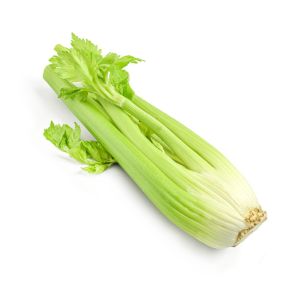
Celery can be used in alcohol infusions, but it’s best treated as a botanical accent rather than a main fruit flavor. It adds a crisp, savory-green note that can feel refreshing in small amounts and can support citrus or herbal profiles.
The risk is going too far: celery can become vegetal, salty, or soup-like if over-extracted. Use small amounts, taste frequently, and consider using celery leaf or seed for more aroma with less watery bulk.
Celery works best in tiny doses or as a finishing steep. Strain early, then balance carefully—often with citrus and modest sweetness—to keep it cocktail-friendly.
How long should celery be infused in alcohol before it turns too vegetal?
Celery is a fast extractor for green, savory compounds. The best window is typically short—often 2–24 hours depending on whether you used chopped stalk, leaves, or seeds.
Start tasting within a couple of hours. Strain as soon as you get a clean celery aroma and a refreshing edge. Longer contact tends to add bitterness and vegetal heaviness rather than more pleasant aroma.
For best results, infuse celery late, right before bottling or blending into a finished liqueur. This keeps the profile crisp and prevents drift toward green broth.