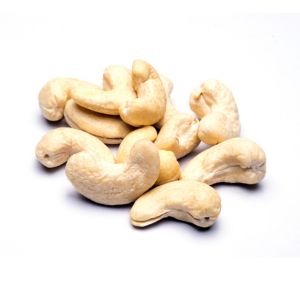
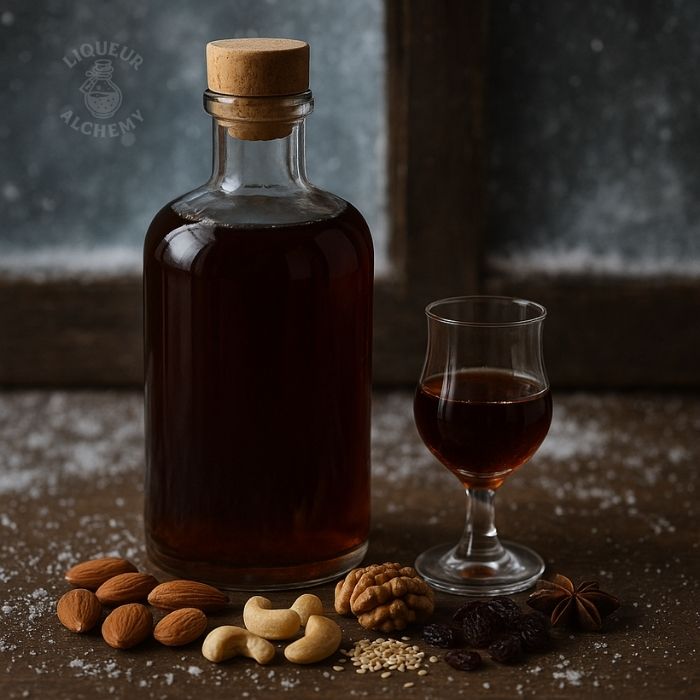
Can I substitute cashews for hazelnuts or almonds in nut liqueurs?
Yes, but expect a milder, creamier profile. Cashews are less aromatic than hazelnuts and less “marzipan” than almonds, so you may need a slightly higher dose or a longer steep—still within a controlled window. Keep the same best practices: toast, coarse chop, high-proof extraction, and careful clarification.
Cashews pair beautifully with vanilla, coffee, cacao, and warm caramel notes. If you’re substituting into a hazelnut recipe, you might add a tiny cacao nib infusion to bring back some roasted depth. For almond-style recipes, a small vanilla emphasis helps keep the profile “dessert-like.”
Common mistakes include treating cashews like a neutral filler and then trying to intensify by blending (creates separation). Flavor impact should be smooth and buttery. Store cool; all nut liqueurs benefit from smaller batches and faster consumption.
Do cashews work for liqueur, and how do I get a creamy cashew flavor without dairy?
Cashews can make a fantastic nut liqueur because their flavor is naturally creamy and mild, but you need to manage oils. Lightly toast cashews to deepen aroma, then infuse coarsely chopped nuts in 45–60% ABV for 5–12 days, tasting early. Higher proof keeps the extraction cleaner and more stable.
For “creamy” mouthfeel without dairy, rely on syrup texture rather than emulsions: use a slightly richer syrup and let the liqueur rest to integrate. If you try to blend cashews into the liquid, you’ll create a nut milk that separates and spoils faster.
Common mistakes include using salted/seasoned cashews, grinding into paste, and adding water early. Flavor impact should be soft, buttery-nut with a smooth finish; vanilla and a tiny pinch of salt can enhance it. Store cool and dark; nut oils oxidize, so consume within a few months.
Why does cashew liqueur separate or taste rancid, and how do I prevent it?
Separation and rancid notes come from nut oils oxidizing or from making an emulsion (blended nut milk) that isn’t stable. Prevent by using fresh, plain cashews, toasting lightly, and extracting at higher proof so you can strain cleanly. Keep the nuts in larger pieces and avoid shaking hard.
After straining, cold-crash and decant to remove oil haze. Bottle in smaller containers to reduce oxygen exposure after opening, and store in the fridge once opened. If it already tastes rancid, it can’t be reliably fixed—oxidized oils don’t reverse.
Common mistakes include using old cashews, using flavored/salted nuts, and adding warm syrup (emulsifies oils). Flavor impact should be buttery and sweet; if it tastes like stale nuts, restart with fresher ingredients and smaller batches.