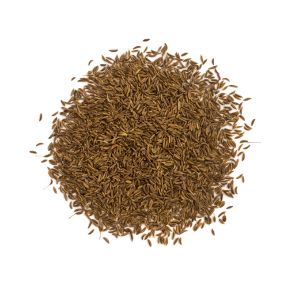
What liqueur styles or flavors work best with caraway seed?
Caraway shines in herbal/spice liqueurs and in citrus-forward profiles where its sharpness feels refreshing. It can also work with apple or pear for a Nordic vibe, but keep it subtle. If you’re building a kümmel-style liqueur, pair with coriander and a touch of fennel.
Timing: infuse fruit or citrus first, strain, then add caraway briefly. Or build a small caraway tincture and dose into the finished blend. Sweetness should be moderate—too sweet makes caraway taste odd.
Common mistakes include adding heavy warm spices (clove) and over-steeping. Flavor impact should be crisp, herbal, and aromatic. Store cool and dark; caraway integrates nicely after a week of rest.
How do I use caraway seeds in liqueurs without making them taste like rye bread?
Caraway reads strongly like rye bread and savory spice, so the best approach is tiny dose and short contact. Lightly toast to bring aroma forward, then infuse at 40–50% ABV using ¼–½ tsp per liter. Taste at 6–12 hours and strain within 12–48 hours.
If you want a more classic herbal profile (kümmel-style), combine caraway with a little coriander and fennel, but keep each low. Making separate tinctures and blending is the safest way to avoid breadiness.
Common mistakes include using too much, crushing to powder, and steeping for weeks. Flavor impact should be aromatic and warm, not sandwich. Store seeds airtight; caraway loses top notes and becomes woody with age.
What’s the difference between caraway and cumin in infusions?
They’re related but taste very different: cumin is earthy and curry-like, while caraway is sharper, minty-anise, and “rye bread” aromatic. In liqueurs, caraway can feel more herbal and bright, but it still goes savory quickly if overdosed.
Extraction is similar: both benefit from short, controlled steeping and whole seeds. Caraway tends to show up faster and can dominate a delicate fruit base, so start lower and taste earlier.
Common mistakes include substituting one for the other 1:1. Flavor impact changes dramatically. Store both sealed; freshness matters for clean aroma.