How does cane sugar change the flavor of a liqueur compared to white sugar?
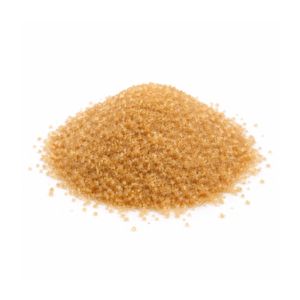
Cane sugar often adds a faint caramel/rum-like note and a warmer sweetness, especially if it’s less refined than standard white sugar. In fruit and spice liqueurs, that extra warmth can make flavors feel rounder and less sharp.
It pairs well with citrus, vanilla, cinnamon, coffee, and tropical fruits. For delicate florals or very bright berries, cane sugar can slightly “brown” the profile—sometimes great, sometimes muddy.
Common mistake: using cane sugar to fix bitterness. It can soften edges, but if your bitterness is from pith or over-extraction, you’ll get a sweet-bitter liqueur. Fix the extraction first (remove pith, shorten peel time), then sweeten.
How much cane sugar should I use per liter for fruit liqueurs?
Start around 140–240 g per finished liter depending on acidity and bitterness. Tart fruits (sour cherry, citrus, green mango) typically need more than ripe, aromatic fruits (peach, strawberry).
Dose in steps: add ~70% of your target, rest 48 hours, then adjust in 10–20 g increments. Cane sugar’s warmth can make a liqueur feel sweeter at the same grams, so slow adjustments keep you from overshooting.
Common mistake: sweetening to taste immediately after shaking. Let the bottle settle and taste again the next day—your palate and the integration will both change.
Should I dissolve cane sugar as a syrup or add it directly to the jar?
Syrup is usually best for speed and consistency, especially above ~35–40% ABV where sugar dissolves slower. A 1:1 syrup (by weight) gives predictable dosing and minimizes graininess.
Direct-to-jar works if you’re patient and you shake gently daily until fully dissolved. If you do this, weigh the sugar and plan extra time before “final taste” so you don’t accidentally add more while undissolved sugar is still hiding at the bottom.
Common mistake: using very hot syrup and adding it straight into alcohol. Always cool the syrup fully—hot additions can drive off aroma and sometimes cause haze.