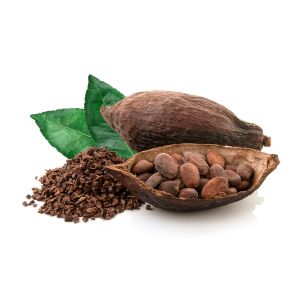
Why did my cacao nib liqueur taste bitter or dry?
Bitterness and dryness come from over-extraction or from nibs that are very dark-roasted. Strain as soon as the bitterness shows up, then sweeten gradually and let it rest; sugar and time reduce perceived harshness. If it’s still too dry, blend down with neutral spirit or a sweeter base.
Prevention: use shorter infusion times, lower nib dose, and avoid pulverizing nibs. Also keep the jar cool and dark; warm extraction can pull harsher notes faster. If you want deeper chocolate without bitterness, use vanilla and a small amount of caramelized sugar rather than more nibs.
Common mistakes include combining cacao with strong clove/cinnamon (reads harsh) and using grounds instead of nibs (muddy). Flavor impact should be cocoa-rich with a smooth finish. Store cool and dark; bitterness stands out more if the aroma fades.
Can I substitute cacao nibs with cocoa powder or chocolate bars for infusion?
You can, but nibs are the cleanest option. Cocoa powder clumps and creates stubborn haze; chocolate bars add fats and emulsifiers that can separate and reduce shelf stability. If you must use cocoa powder, use a tiny amount and expect heavy settling and filtration.
A better substitute is to infuse nibs (or even roasted cacao husk) and then add sweetness and vanilla for a “chocolate” impression. If you want a creamy style, it’s best done as a separate cream liqueur process, not a straight infusion.
Common mistakes include using milk chocolate (fat), heating chocolate into alcohol (grainy separation), and trying to filter immediately. Flavor impact from bars can be rich but unstable. Store cold and consume quickly if you used chocolate fats.
How long should cacao nibs steep in alcohol for a smooth chocolate liqueur?
Cacao nibs extract cocoa aroma steadily and are forgiving, but long steeps can bring dryness and bitterness. Use 45–60% ABV for clean extraction and start with 30–80 g nibs per liter depending on intensity. Taste at day 3–4 and plan to strain around 7–21 days.
For a softer profile, infuse nibs alone, strain, then sweeten and optionally add vanilla. If you want mocha, blend in a small roasted coffee infusion after straining the cacao. Rest the finished liqueur 2–4 weeks—cocoa edges mellow and integrate noticeably.
Common mistakes include using very high heat syrups, adding too many spices, and leaving nib fines in the bottle. Flavor impact should be dark chocolate, not burnt. Store cool and dark; cacao is fairly stable and ages nicely.