When is brown sugar better than white sugar for homemade liqueur?
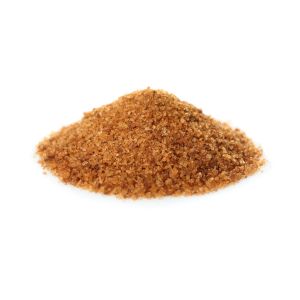
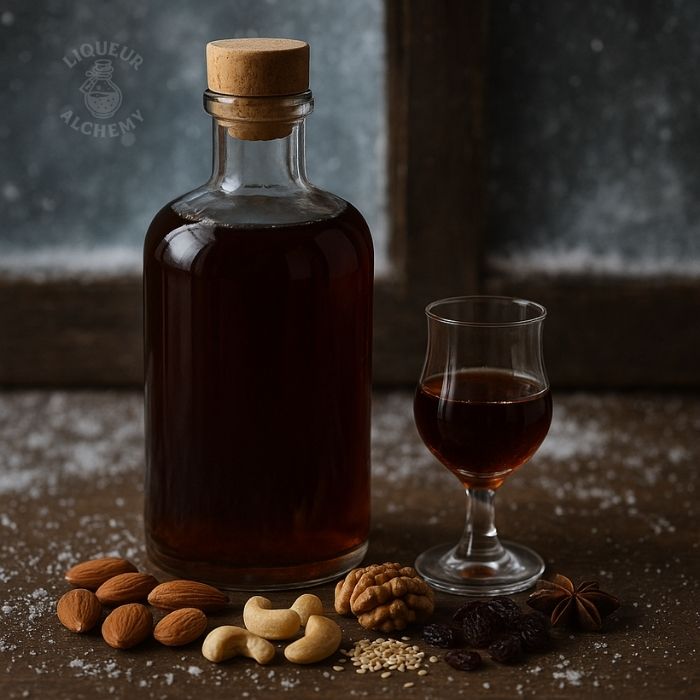
Brown sugar shines when you want molasses depth: spiced liqueurs, dark rum-style profiles, coffee/cacao, roasted fruits, and autumn flavors. It adds a “baked” note that white sugar can’t.
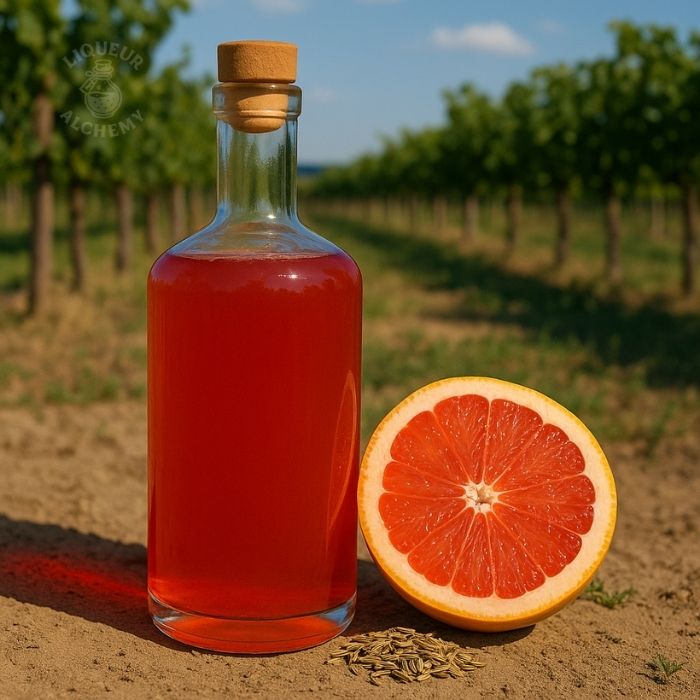
For bright citrus, florals, and light berries, brown sugar can overpower and make the finish feel heavy. If you’re unsure, do a split test: sweeten 200 ml with white sugar and 200 ml with brown sugar and compare after 48 hours.
Common mistake: using dark brown sugar as a default. Start with light brown sugar or blend (e.g., 70% white + 30% brown) to avoid turning everything into a molasses bomb.
Why does brown sugar sometimes make my liqueur taste muddy, and how do I fix it?
“Muddy” usually means the molasses notes are masking the high aromatics—citrus top notes, floral lift, or fresh fruit brightness. Brown sugar also increases perceived viscosity, which can make spice and bitterness feel more stuck on the tongue.
Fix: blend the batch. Add a small amount of neutral simple syrup (white sugar) or dilute slightly with unsweetened spirit/infusion to lift brightness, then rest a week. If the infusion itself is over-extracted (too much peel/spice), no sugar choice will fully rescue it—shorten the extraction next time.
Common mistake: adding more brown sugar to “smooth it out.” That often deepens the mud. Instead, add brightness (citrus zest timing control, a touch of acid, or a lighter sugar blend) and give it rest time.
Can I substitute brown sugar with muscovado sugar in liqueurs?
Yes, but muscovado is stronger and more aromatic than standard brown sugar. Think of it as “brown sugar turned up”: more molasses, more funk, more earthy depth.
Start by replacing only 30–50% of the brown sugar amount with muscovado, then adjust after 2–3 days. It pairs brilliantly with dark spirits, vanilla, coffee, cacao, banana, and warm spices.
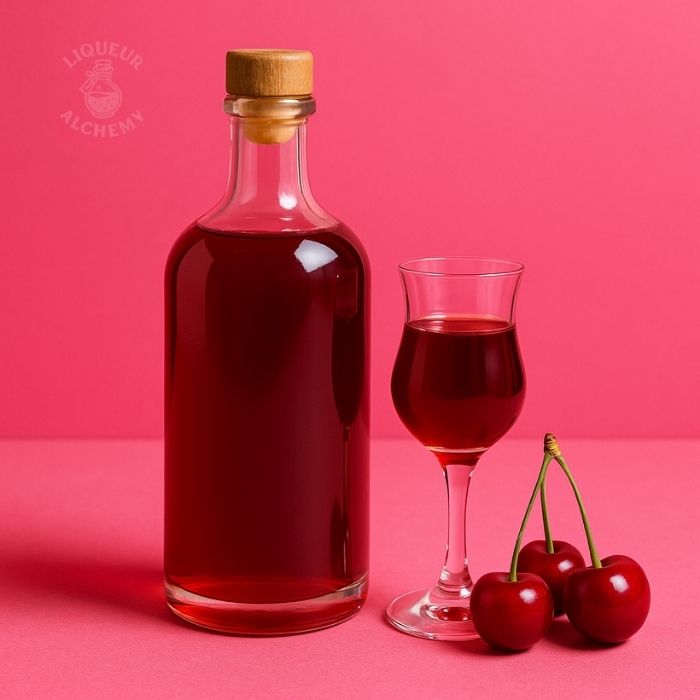
Common mistake: swapping 1:1 in a light fruit recipe. Muscovado can dominate peaches, berries, and florals. Use it where you want the sugar itself to be part of the flavor.