Blackcurrant

Blackcurrant for Liqueur Infusions – Flavor & Pairing Tips

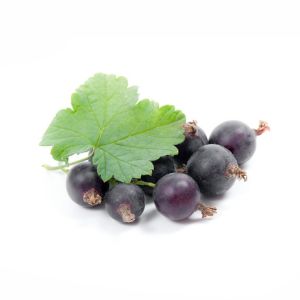
Blackcurrants offer vibrant acidity and a luxurious aroma reminiscent of summer hedgerows. Their dark, tangy juice adds structure, color, and fragrance to liqueurs, balancing sweetness with a distinctive, slightly wild fruit character.

Blackcurrant

Blackcurrant Flavor Profile

Intensely aromatic, dark and tangy; cassis note with leafy edge and bright acidity.

Blackcurrant Impact on Liqueurs

Delivers powerful flavor and color quickly; adds sharp tang that balances sugar and lifts the finish.

How to Use Blackcurrant?

Use fresh or frozen, lightly crushed; 500–800 g per 1 L. Infuse 2–5 weeks in vodka; strain and rest 2 weeks.

Blackcurrant Pairing Suggestions

Vanilla, lemon, orange peel, juniper, mint, thyme, cacao, black pepper.

Blackcurrant FAQ


What’s the best substitute for blackcurrant in liqueur making?

If you want a similar dark-berry depth, try blackberry, aronia (chokeberry), or a blend of blueberry with a small amount of dried peel for structure. Blackcurrant is uniquely aromatic, so substitutes often need help to match its intensity.

To mimic cassis-like richness, add a tiny touch of vanilla or a hint of warm spice and keep sweetness slightly higher. This helps the finish feel round and lush, similar to commercial cassis styles.

Substitutions work best by blending: make a strong berry base, then adjust aroma and structure in small steps rather than expecting a perfect 1:1 swap.

How long should blackcurrants be infused for liqueur?

Blackcurrant extracts strongly and can develop a deep, winey aroma quickly, but it can also pull seed and skin tannins if left too long. The goal is intense fruit without a drying finish.

Start tasting around day 3–5 and expect a sweet spot around 1–2 weeks for many batches, depending on whether the fruit is fresh or frozen. Freezing speeds extraction, so you may reach peak sooner.

Strain when the aroma is bold and the taste is rich but still juicy. After sweetening, rest at least 1–2 weeks; blackcurrant liqueur often becomes smoother and more “cassis-like” as it integrates.

Should you crush blackcurrants for liqueur or keep them whole?

Crushing speeds extraction and gives faster color and intensity, but it also increases sediment and can pull more tannin from skins and seeds. Whole berries extract more slowly and can taste cleaner, but may take longer to reach full flavor.

A good method is to lightly bruise or pierce the berries. This improves flavor release without turning the jar into pulp that’s hard to filter.

Taste frequently and strain when flavor is rich. If you want maximum clarity, use whole berries and accept a longer infusion plus patient settling and filtration.

RELATED RECIPES OF LIQUEUR ALCHEMY


Explore more creations from Liqueur Alchemy that share similar flavours, techniques, or ingredients. These related recipes offer fresh ideas and inspired combinations to help you craft your next bold, homemade spirit.