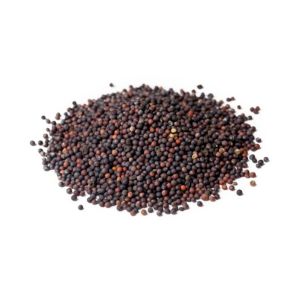
What’s a safer alternative to black mustard seeds for adding spicy warmth to liqueurs?
If your goal is warmth, there are safer tools than mustard. White peppercorns give clean tingling heat, ginger adds bright warmth, and chili tinctures offer precise heat control. These options integrate with sweetness better and don’t read as savory condiments.
Use the same control strategy: steep briefly, taste often, and consider tinctures for repeatable dosing. Add warmth after the main infusion is strained and roughly sweetened so you can judge the final balance accurately.
Common mistakes are adding heat sources early and leaving them too long. Flavor impact should be gentle warmth and a longer finish. Store tinctures dark and cool; they’re stable and make future batches consistent.
Can I use black mustard seeds in liqueurs, or will it taste like savory curry?
Black mustard seed is very pungent and tends to read savory, so it’s only useful in tiny micro-doses—and usually for experimental, savory-leaning infusions rather than classic sweet liqueurs. Alcohol extraction can pull sharp, horseradish-like bite if seeds are crushed or heated.
If you want to try it, keep seeds whole and use extremely low dose: ¼ tsp (or less) per liter, steep 1–6 hours, tasting frequently, then strain immediately. For better control, make a mustard tincture in high proof and dose by drops into a finished liqueur.
Common mistakes include crushing seeds, steeping overnight, and pairing with delicate fruits. Flavor impact is spicy, mustardy heat that can clash with sweetness; it can work with savory botanicals or in cocktail bitters-style projects. Store seeds airtight; stale mustard tastes flat but still harsh.
Why did my mustard seed infusion become harsh and throat-burning?
That harsh burn usually means you extracted too much pungent compound from crushed or over-steeped seeds. Strain immediately and dilute/blend down; sweetness won’t fully hide mustard burn. Resting can soften edges slightly, but strong mustard heat tends to stay.
Prevention: keep seeds whole, use very short steep times, and avoid warm extraction. If you want “spice warmth” without mustard character, switch to gentler spices like white pepper or ginger in controlled tincture form.
Common mistakes include using ground mustard, steeping for days, and adding citrus pith (makes it harsher). Flavor impact should be a tiny back-of-throat warmth, not a condiment note. Store experiments in small test batches so you don’t sacrifice a full liter.