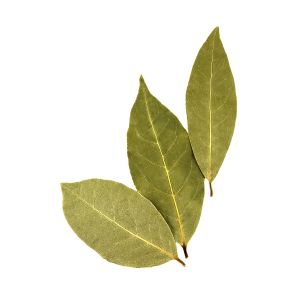
Bay Leaf

Bay Leaf for Liqueur Infusions – Herbal Depth, Use & Pairings

Bay leaf contributes a distinctive herbal-resin aroma with gentle bitterness and a savory, tea-like dryness that can make liqueurs feel more structured. In small doses it sharpens citrus, deepens spice blends, and keeps sweet profiles from becoming cloying, especially in rum or brandy bases. Because bay can turn woody or medicinal, use brief infusions and taste often. Excellent in winter-style liqueurs, bitters, and culinary-leaning cordials with orange peel, cinnamon, clove, and vanilla.

Bay Leaf

Bay Leaf Flavor Profile

Resinous herbal aroma, eucalyptus-like lift, tea-like bitterness, savory dryness, subtle warm spice.

Bay Leaf Impact on Liqueurs

Adds structure and herbal depth, reducing cloying sweetness and enhancing complex spice-driven liqueurs.

How to Use Bay Leaf?

Use dried leaves; 1–3 leaves per 1 L. Infuse 2–7 days in vodka, rum, or brandy; strain early if woody.

Bay Leaf Pairing Suggestions

Orange peel, lemon peel, cinnamon, clove, vanilla, allspice, juniper, honey.

Bay Leaf FAQ


Why did my bay leaf infusion become bitter and woody?

Woody bitterness usually means over-steeping or using old, low-aroma bay leaves that leave mostly tannic wood notes. Strain immediately and blend down with clean base; sweetness won’t fully remove woody bitterness.

Prevention: use fresher bay, keep infusion short, and avoid crushing the leaf into tiny pieces. If you want a similar herbal note with less risk, try rosemary in micro-dose (also short steep) or a small citrus-herb blend.

Common mistakes include warm storage and forgetting bay in the jar. Flavor impact should be subtle herb complexity. Store cool and dark; bitterness becomes more obvious as other aromas fade.

What flavors pair best with bay leaf in homemade liqueurs?

Bay leaf pairs with orange and lemon zest, honey, vanilla, and warm spices like cinnamon (light) or cardamom. It can also add a grown-up herbal edge to berry or plum liqueurs if kept subtle.

Timing: infuse fruit first, strain, then add bay briefly at the end (12–24 hours). Or dose a bay tincture into the finished blend while tasting.

Common mistakes include pairing bay with too much clove or using multiple savory spices together. Flavor impact should be aromatic and elegant. Store cool and dark; bay integrates nicely after a week of rest.

How much bay leaf should I use in liqueurs without making them taste like stew?

Bay leaf is surprisingly strong and can turn savory-fast, so start tiny. Use 1 small dried bay leaf per liter at 40–50% ABV (or even half). Taste at 6–12 hours; many bay infusions are ready within 12–48 hours.

For control, steep bay leaf separately as a tincture and dose by drops into your finished liqueur. Bay works best as a background herb in citrus, honey, or dark-spice profiles—not as a main flavor.

Common mistakes include leaving bay for weeks and combining with heavy savory spices (cumin/mustard). Flavor impact should be herbal, slightly floral, and warm. Store bay leaves airtight; old bay tastes dusty and woody.

RELATED RECIPES OF LIQUEUR ALCHEMY


Explore more creations from Liqueur Alchemy that share similar flavours, techniques, or ingredients. These related recipes offer fresh ideas and inspired combinations to help you craft your next bold, homemade spirit.