Why did my dried apricot liqueur taste weirdly sharp or sulfur-like?
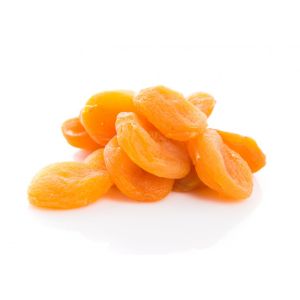
Many dried apricots are treated with sulfur dioxide to preserve color, which can show as a sharp, “preserved” note in infusions. Rinse the apricots and soak briefly in cool water, then pat dry before maceration. You can also choose unsulfured apricots for a darker, more natural flavor.
If a batch already tastes sharp, give it time: rest 2–4 weeks and re-taste—some edges soften. Sweetness helps round it, and a small vanilla note can smooth the finish. If it still reads sulfuric, blending down with neutral base and adding fresh citrus zest (briefly) can redirect the aroma.
Common mistakes include using very bright orange apricots without prep and steeping in warm conditions. Flavor impact should be honeyed stone fruit, not chemical. Store ingredients airtight; old dried fruit can pick up off aromas from the cupboard.
What’s the best base spirit for dried apricot liqueur: vodka, brandy, or rum?
Vodka gives the cleanest apricot definition and keeps the liqueur bright. Brandy is a natural match: it adds baked fruit depth and makes the result feel like apricot “compote in a bottle.” Light rum adds a soft caramel note that complements dried apricot sweetness without going too heavy.
Extraction is similar across bases: 40–50% ABV, 14–30 days, taste weekly. With brandy or rum, be cautious with spices—vanilla is usually enough. Sweeten after straining and rest at least 2 weeks for integration.
Common mistakes include using very oaky spirits that mask apricot and adding almond extract (too strong) instead of a tiny almond-like accent (a few toasted almond slivers steeped briefly). Store cool and dark; apricot liqueurs improve with a little age.
How long should dried apricots steep for a rich apricot liqueur?
Dried apricots are slow but rewarding—they build a deep, jammy apricot note with honeyed edges. Use 40–50% ABV and steep 14–30 days, tasting weekly. Slice or quarter the apricots to speed extraction, but don’t pulverize them; fine particles make filtration painful.
Dosage: 200–400 g dried apricots per liter depending on intensity and sugar level (many are sweetened). Start lower if you’re also using a sweet base spirit like brandy. Sweeten after straining; you often need less syrup than with fresh fruit because dried fruit contributes its own sweetness.
Common mistakes are leaving sulfur-treated apricots un-rinsed (can taste sharp), oversweetening, and adding heavy spices too early. Flavor impact pairs beautifully with vanilla, almond (very small), and orange peel. Store cool and dark; dried-fruit liqueurs age well and smooth out after 2–4 weeks of rest.