Apricot

Apricot for Liqueur Infusions – Flavor & Pairing Tips

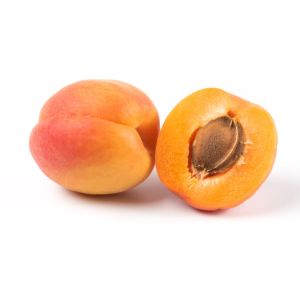
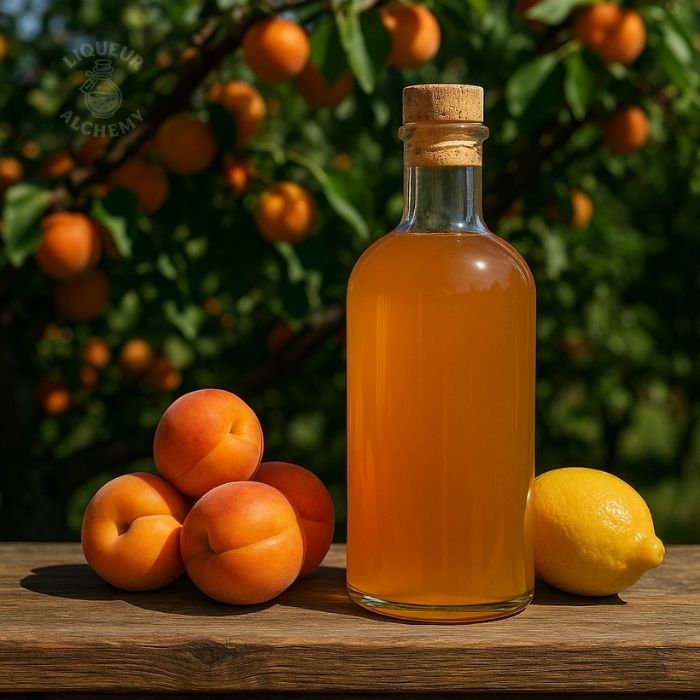
Apricots contribute velvety sweetness and delicate aroma, with hints of honey and almond. Their juicy flesh creates smooth, fruit-forward liqueurs with a gentle floral touch and radiant amber tone.

Apricot

Apricot Flavor Profile

Stone-fruit perfume, honeyed sweetness, soft floral notes, gentle acidity.
Apricot Impact on Liqueurs

Gives round, golden fruit character and silky sweetness; makes liqueurs feel plush and sun-warmed.

How to Use Apricot?

Use ripe fruit, sliced; 500–800 g per 1 L. Infuse 3–6 weeks in vodka or brandy; add kernels only if trained/safe.

Apricot Pairing Suggestions

Vanilla, almond, orange peel, cardamom, honey, cinnamon, saffron (optional).

Apricot FAQ


Should you include apricot pits for an almond note in apricot liqueur?

Apricot kernels can add a marzipan-like almond aroma, but they’re risky and hard to dose safely. Overdoing it can make the liqueur taste bitter and harsh, and the flavor can become medicinal.

A safer approach is to skip pits and add a tiny amount of bitter almond extract at the end, which gives precise control. You can also use a few toasted almond pieces for a gentler nutty impression.

If you experiment with pits, use extreme restraint and taste often. The almond note should be a background accent, not the main flavor driver.

Fresh vs dried apricots: which is better for liqueur making?

Fresh apricots give a brighter, more floral stone-fruit aroma when ripe, but they contain water and can lead to a softer, lighter body. Dried apricots are concentrated and often produce a deeper, jammy profile with more sweetness and mid-palate weight.

Dried apricots can contain sulfur preservatives that show up as a faint sharp note. Choose unsulfured dried apricots when possible, or rinse and air them briefly before infusion.

Many makers blend methods: fresh for top notes and dried for depth. Infuse separately and blend, so you can control brightness vs richness without over-extraction.

How long should apricots be infused for liqueur?

Apricots extract aroma and sweetness at a moderate pace, but they can drift from fresh stone-fruit into jammy notes if left too long. For many batches, 7–21 days is a useful range depending on ripeness, cut size, and temperature.

Start tasting after day 5–7. Strain when the aroma is clearly apricot and the taste is rounded but still bright. If you used very ripe fruit or warmer storage, you may hit peak sooner.

After straining, sweeten gradually and rest at least 1–2 weeks. Apricot liqueur often becomes smoother and more “perfumed” after it integrates.

RELATED RECIPES OF LIQUEUR ALCHEMY


Explore more creations from Liqueur Alchemy that share similar flavours, techniques, or ingredients. These related recipes offer fresh ideas and inspired combinations to help you craft your next bold, homemade spirit.