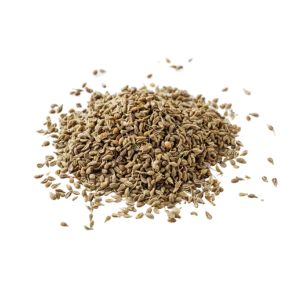
What’s the difference between anise seed, star anise, and fennel in liqueur making?
All three read licorice-like, but they’re distinct. Anise seed is sweet and warm, star anise is sharper and more intense, and fennel is softer and greener. In blends, star anise dominates fast, so it’s usually used in smaller amounts than anise seed.
Extraction: all extract quickly; short steeping and early tasting are essential. For clean control, make separate tinctures and blend until the licorice note is balanced.
Common mistakes include using them all together at full dose, creating a “mouthwash” profile. Flavor impact should be aromatic and sweet-spiced. Store botanicals airtight; freshness affects aroma clarity.
How much anise seed should I use so my liqueur doesn’t taste like medicine?
Anise seed is powerful and can quickly dominate. Start with ½–1 tsp per liter (lightly crushed, not powdered) at 40–50% ABV. Taste at 6–12 hours; many anise infusions are ready within 12–48 hours.
If you want a classic anisette/pastis direction, build gradually: strain early, then increase with a tincture if needed. Remember that anise flavor blooms more after sweetening and resting, so aim slightly lighter at bottling.
Common mistakes are using ground anise (muddy), steeping for weeks, and combining with star anise plus fennel (triple-anise overload). Flavor impact should be sweet licorice and warm spice. Store seeds airtight; old anise tastes woody and dull.
Why does anise liqueur turn cloudy (louche) when diluted, and is that normal?
Yes—cloudiness (louching) is normal in anise-heavy spirits. Anise contains oils that dissolve in higher-proof alcohol, but when you dilute with water or lower ABV through syrup, those oils come out of solution and form a milky haze.
If you want to reduce louche, keep the anise dose lower and bottle at a slightly higher ABV. But many traditional styles embrace it; it’s part of the character. Avoid heavy agitation after dilution, and let the bottle rest so any fine particles settle.
Common mistakes include thinking it’s “spoiled” and over-filtering, which can strip aroma. Flavor impact is usually unaffected. Store cool and dark; anise oils are stable, and the profile holds well over time.