Why did my amla liqueur turn brown or taste astringent?
Amla browns easily from oxidation, and it’s naturally high in tannins, so long contact can become mouth-drying. Keep jars topped up, limit headspace, and strain as soon as tannin shows. A small amount of ascorbic acid can help preserve brightness if you’re bottling for longer storage.
If it’s already astringent, strain immediately and blend down with a sweeter base (honey syrup can help) and let it rest. Acid and tannin together can feel harsh, so avoid adding more sourness—focus on sweetness and aroma lift instead.
Common mistakes include leaving fruit exposed above the liquid, using warm storage, and over-steeping. Flavor impact should be tart but lively, not drying. Store cool and dark; oxygen control is key for keeping amla pleasant.
Can I substitute fresh amla with amla powder or juice in liqueur recipes?
You can, but results differ. Amla powder creates heavy sediment and can taste earthy; juice can be convenient but often dilutes and may have additives. The most controllable substitute is dried amla pieces or amla candy, because you can dose and strain cleanly.
If you use powder, use a tiny amount, steep briefly, then let it settle and decant before filtering. If using juice, add it after you’ve made an alcohol infusion and keep total water low so ABV stays stable.
Common mistakes include using lots of powder and trying to filter immediately. Flavor impact can shift from bright-tart to earthy/medicinal. Store cold if you add juice; shelf stability drops when you introduce more water.
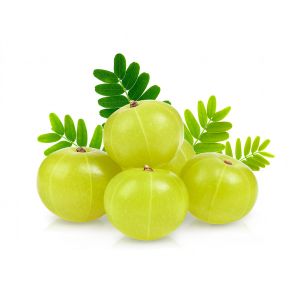
How do I use fresh amla (Indian gooseberry) in liqueur without it tasting too sour or medicinal?
Fresh amla is intensely tart and tannic with a herbal edge, so balance is everything. Slice or quarter the fruit (remove the hard seed) and infuse at 40–50% ABV. Start tasting at day 2–3; many amla infusions peak around 5–12 days before tannins take over.
Dosage: begin around 200–400 g fresh amla per liter depending on how punchy you want it. Strain early, then sweeten in stages—amla needs sugar to round the sharpness. If it tastes medicinal, add a small citrus zest lift (brief infusion) and let it rest 1–2 weeks; integration helps.
Common mistakes include leaving it too long (mouth-drying), over-crushing, and stacking extra acids. Flavor impact is bright, sour, and “green-fruity,” great with honey, ginger (tiny), and warm spices in micro-dose. Store cool and dark; amla holds acidity well but aroma fades with oxygen.