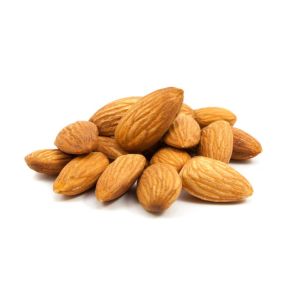
Almonds

Almonds for Liqueur Infusions – Flavor & Pairing Tips

Almonds lend liqueurs their signature nutty aroma and subtle sweetness, creating smooth, velvety blends. When infused, they release delicate oils that soften the alcohol and add richness. Their flavor evokes marzipan and subtle warmth, ideal for pairing with vanilla, honey, or fruit bases. Almonds enrich both texture and depth, giving liqueurs a refined, comforting quality with an irresistibly smooth finish.

Almonds

Almonds Flavor Profile

Nutty, marzipan-like aroma, creamy sweetness, lightly bitter skins if over-extracted.
Almonds Impact on Liqueurs

Builds body and dessert richness; creates a soft, pastry-like note that pairs beautifully with fruits and cacao.

How to Use Almonds?

Use blanched or toasted almonds; 150–250 g per 1 L. Infuse 2–6 weeks; strain well. Best in vodka or brandy.

Almonds Pairing Suggestions

Vanilla, cacao, coffee, cherry, apricot, orange peel, cinnamon, honey, cardamom.

Almonds FAQ


Why did my almond liqueur turn cloudy or oily, and how do I fix it?

Cloudiness is usually almond oil emulsifying, often after you add syrup or dilute the alcohol. Prevent by using higher-proof extraction (45–60% ABV), keeping almond pieces coarse, and avoiding nut-butter texture. After straining, cold-crash for 24–72 hours so oils separate.

To fix, chill, decant off any separated layer, and paper-filter slowly. Some opalescence is normal for nut liqueurs; over-filtering can strip aroma. Avoid heating—heat can stabilize emulsions and make haze harder to remove.

Common mistakes include blending nuts, squeezing the filter bag, and adding warm syrup. Flavor impact should remain smooth and nutty; if it tastes greasy, reduce almond dose next batch. Store refrigerated after opening to slow oxidation.

Can I substitute almonds with almond flour or ground almonds for infusion?

It’s possible, but not recommended. Almond flour/ground almonds release oils and fine solids immediately, making filtration extremely difficult and increasing the risk of a greasy texture. If you must, use a very small amount, steep for a short time (hours to a day), and expect heavy settling and slow filtering.

A better substitution is using chopped whole blanched almonds in a spice bag so you can remove them cleanly. Or make a small almond tincture with chopped nuts and blend it into your liqueur base.

Common mistakes include using too much ground almond and shaking daily, which keeps fines suspended. Flavor impact from ground almonds can be intense but muddy. Store cool and dark; ground nuts go rancid faster than whole nuts.

How do I make almond liqueur without it tasting bitter or like harsh extract?

Avoid relying on almond extract—it's easy to overshoot and it tastes one-dimensional. Use real almonds, ideally blanched (skins removed), and toast lightly to develop aroma without bitterness. Then infuse coarsely chopped almonds in 45–60% ABV for 5–14 days, tasting from day 4.

If you want a classic “amaretto” vibe, add a tiny amount of bitter almond character carefully (some recipes use a few apricot kernels), but for safety and consistency most homemade makers skip kernels and build depth with vanilla and a touch of caramelized sugar instead.

Common mistakes include leaving skins on (bitter), over-toasting (burnt), and grinding into paste (oily haze). Flavor impact should be marzipan, warm and creamy. Sweeten after straining and rest 2–3 weeks for integration. Store cool and dark; nut oils oxidize over time, so smaller batches are smarter.

RELATED RECIPES OF LIQUEUR ALCHEMY


Explore more creations from Liqueur Alchemy that share similar flavours, techniques, or ingredients. These related recipes offer fresh ideas and inspired combinations to help you craft your next bold, homemade spirit.