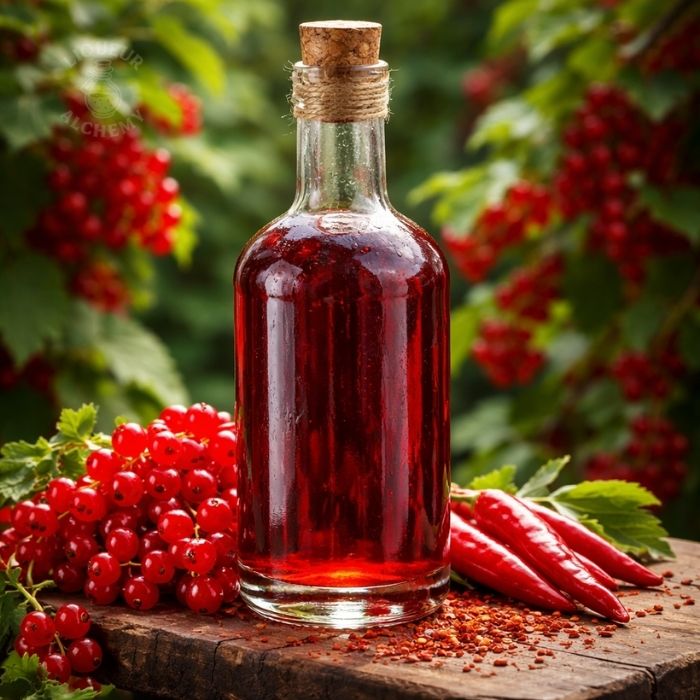
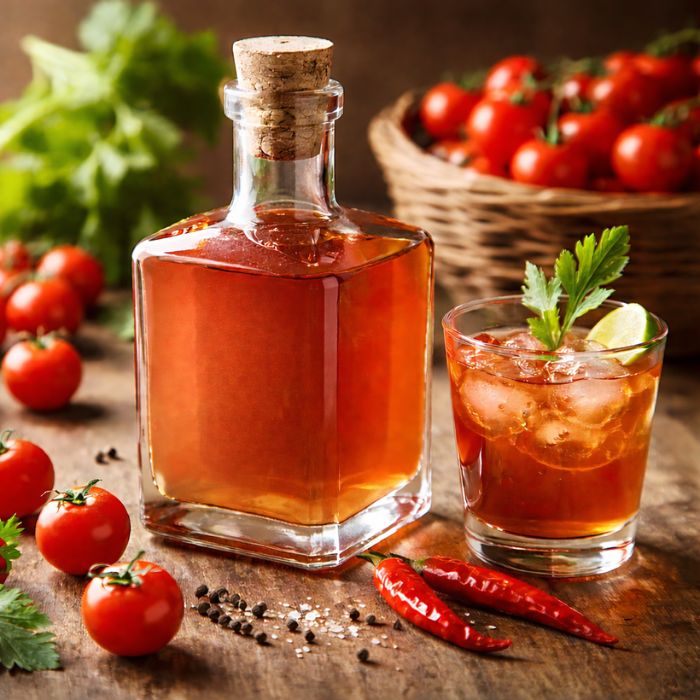
When should you remove cloves, juniper, pepper, and star anise so the spice stays elegant, not medicinal?
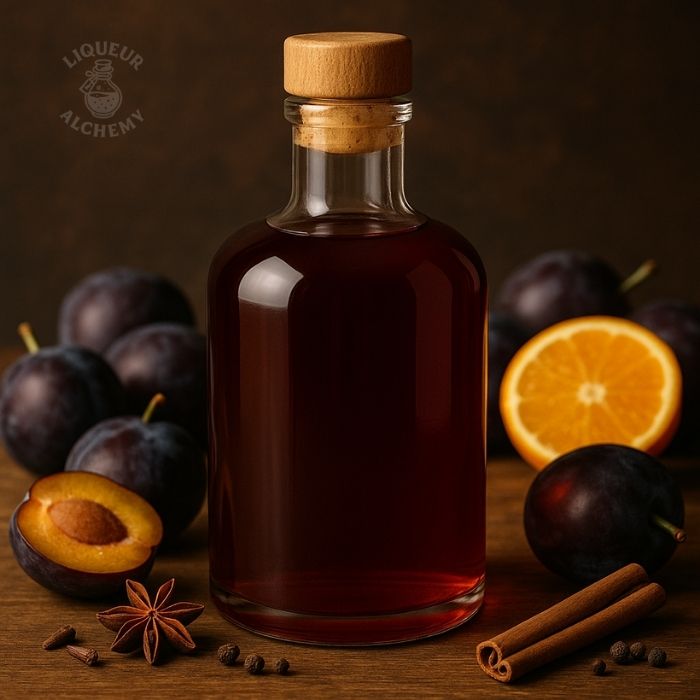
Cloves and star anise are intense, and juniper plus pepper can push the profile toward “gin-and-cough-drop” territory if extraction runs long. If you notice a numbing clove finish, heavy licorice, or a piney bitterness that lingers, stop the extraction and remove those spices first.
Stagger removal is the safest method. Pull cloves early as soon as you smell warm clove oil, and pull star anise once it’s clearly detectable. Pepper can stay a bit longer for gentle heat, but remove it if it turns sharp and drying. Juniper should be subtle—three berries can be plenty.
Sweetness amplifies spice aroma, so don’t wait until it’s “perfect” before adding syrup; it will grow. Filter, rest, and re-taste. Elegant spice feels like a halo around fruit, not a wall of winter spice.
How can you adjust sweetness after using multiple sugars without losing brightness and clarity?
Multiple sugars create a layered sweetness: white sugar is clean, cane adds warmth, and muscovado adds deep molasses notes. If it ends up too sweet or too dark, the first move is dilution—add a little vodka to open it up and reduce density without changing the flavor identity.
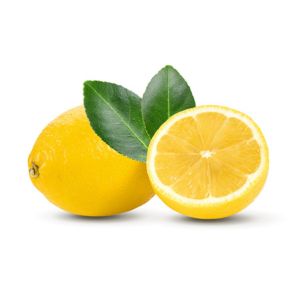
Next, re-balance brightness with lemon. Add in tiny increments, tasting chilled, because acidity can swing quickly from “fresh” to “sour.” If it’s sweet but dull, a bit more lemon wakes it up. If it’s sharp, rest it; acidity often softens with time.
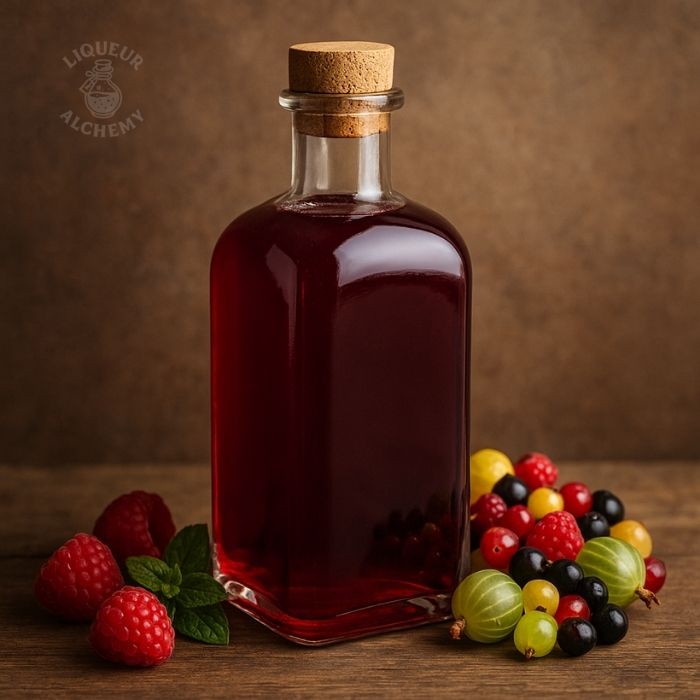
For clarity, avoid constant shaking once strained. Let sediment drop, filter gently, and store cool and dark. As it settles, the ruby fruit character becomes cleaner and the sweetness reads smoother rather than sticky.
Which dried-fruit swaps keep a berry liqueur rich without turning it overly raisin-heavy?
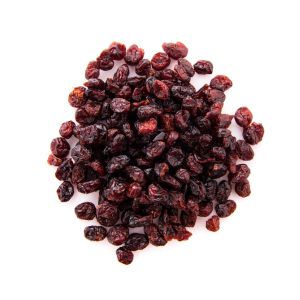
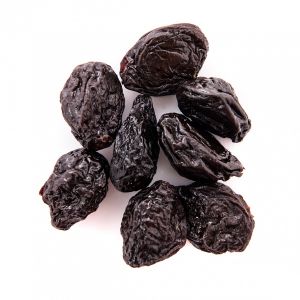
Dried fruits are powerful concentrators: they bring sweetness, body, and a “baked” depth. If the mix leans too raisin-forward, the liqueur can taste like spiced compote instead of bright orchard fruit. To keep richness without heaviness, favor dried plums/prunes for dark fruit notes and use raisins as a supporting layer rather than the main driver.
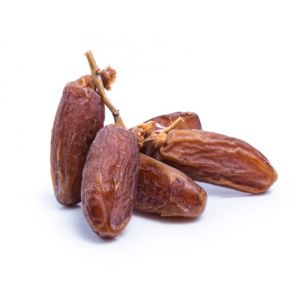
Dates add caramel weight, figs add floral honeyed depth, and dried apricots add tangy brightness. If you swap, keep total dried fruit roughly similar but adjust the “tone”: add apricot if you want lift, add prune if you want deeper ruby darkness, and avoid stacking too many “brown” dried fruits together.
Let it rest before deciding. Dried fruits can taste separate at first, then melt into the berry base. If it still feels too dark, a little extra lemon (or a small dilution) can pull it back into balance without stripping the autumn character.