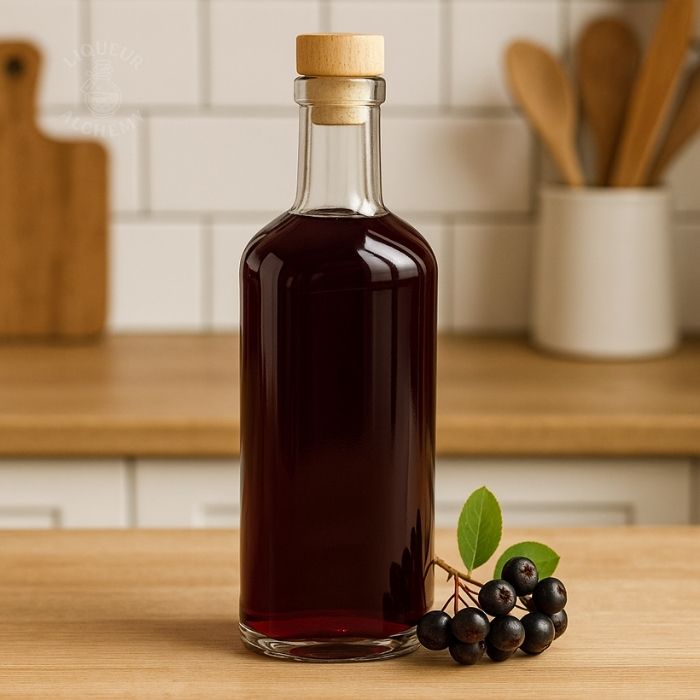
How do you balance lemon and ginger with tannic berries without making the drink taste sour?
Lemon adds sparkle and helps fruit pop, but in a tannic base it can read as sharp if sweetness isn’t supporting it. Ginger adds warmth and a little bite; combined with chokeberry tannin, it can feel “edgy” rather than elegant. The balance point is where acidity feels bright, not sour.
Sweeten in steps and taste chilled. Cold tasting is more honest for serving and often reduces perceived sourness. If it still feels too sharp, add a little more sweetness (or a touch of darker sweetener for roundness) rather than more lemon. If it feels flat, then a small extra squeeze can lift it.
Resting is crucial here. Fresh lemon can taste loud right after mixing, then integrate after a couple of weeks. If you rush the verdict, you’ll over-correct. Give it time, then fine-tune with tiny adjustments.
What can replace buckwheat honey or juniper while keeping a dark-berry, foresty style?
Buckwheat honey is bold—malty, earthy, and slightly molasses-like—so a neutral honey can make the drink feel lighter and less “shadowy.” If you need a substitute, look for a darker honey (chestnut, heather) or use a touch of dark sugar to mimic depth. Add gradually, because darker sweeteners can quickly dominate.
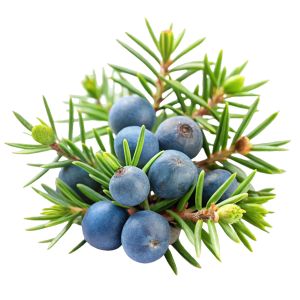
Juniper adds piney lift and a dry, gin-like snap. If you don’t have it, a small piece of citrus peel or a few peppercorns can restore brightness and structure, though the profile will be less “forest.” Avoid adding too many substitutes at once; you want one clear supporting note, not a spice cabinet.
After swapping, taste after resting. Dark berry + lemon can feel sharp early, and the sweetener choice decides whether it finishes clean or heavy. The best test is a chilled sip: berry leads, forest notes hover, and sweetness stays quietly in the background.
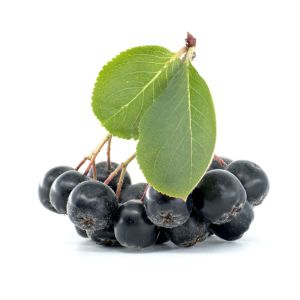
How long should chokeberries steep so you get color and flavor without harsh astringency?
Chokeberries are famously tannic, and “more time” does not always mean “more delicious.” You can get deep color quickly, but tannins keep extracting and can turn the finish drying and rough. If the taste starts to feel like strong black tea—dry cheeks, grip on the tongue—it’s a sign extraction is pushing too far.
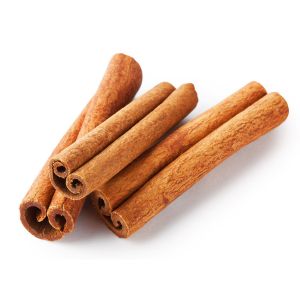
To control this, taste regularly and strain once the berry flavor is present and the bitterness is still manageable. Keeping fruit pieces larger (not pulverized) reduces fast tannin release. Also watch your spices: cinnamon and juniper can add their own dryness, which stacks on top of the berry tannin.
Sweetening and resting will soften some of the bite, but they won’t fully erase over-extraction. If you’ve gone too far, dilution is the cleanest rescue. Stopping extraction at the right moment is the real “secret” to a smooth, dark-berry liqueur.