How do you prevent citrus zest and star anise from turning a berry liqueur bitter or overpowering?
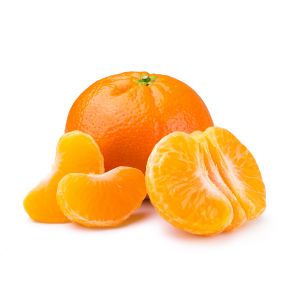
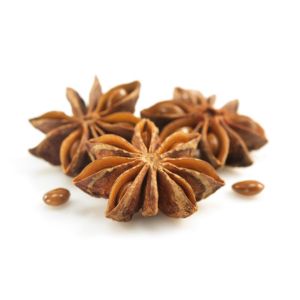
Mandarine zest is aromatic but can go bitter if too much pith sneaks in or if it sits too long. Star anise is potent and can quickly dominate with a licorice-heavy profile. The first defense is careful zesting: take only the colored peel, avoid white pith, and keep strips large so they’re easy to remove.
Taste early and often, especially after the first week. Remove zest as soon as it smells “fresh mandarine” rather than “marmalade bitter.” With star anise, pull it the moment the aroma is clearly present—if you wait until it feels strong, it will become very strong after sweetening.
If the batch is already too anise-forward, dilution plus resting helps more than adding more fruit. A little extra citrus juice can brighten, but it won’t erase licorice. The clean fix is to stop extraction, filter, and let time soften the edges.
How long should a tannic berry-and-dried-fruit liqueur rest before it tastes smooth?
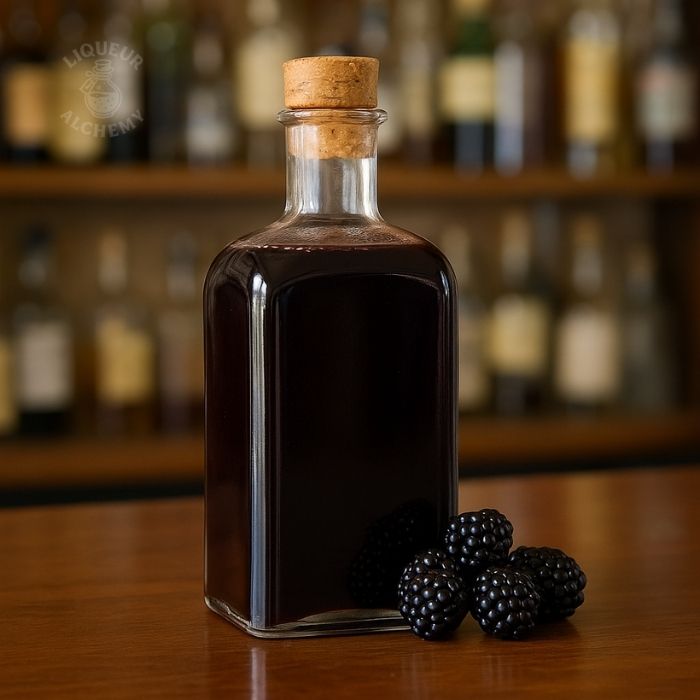
Tannic berries often taste “tight” right after straining—dry, slightly bitter, and sharper than you expected. Dried fruits can also read separate from the berry base at first, like two layers that haven’t blended. A rest period is where the magic happens: harsh edges round off and the body becomes more cohesive.
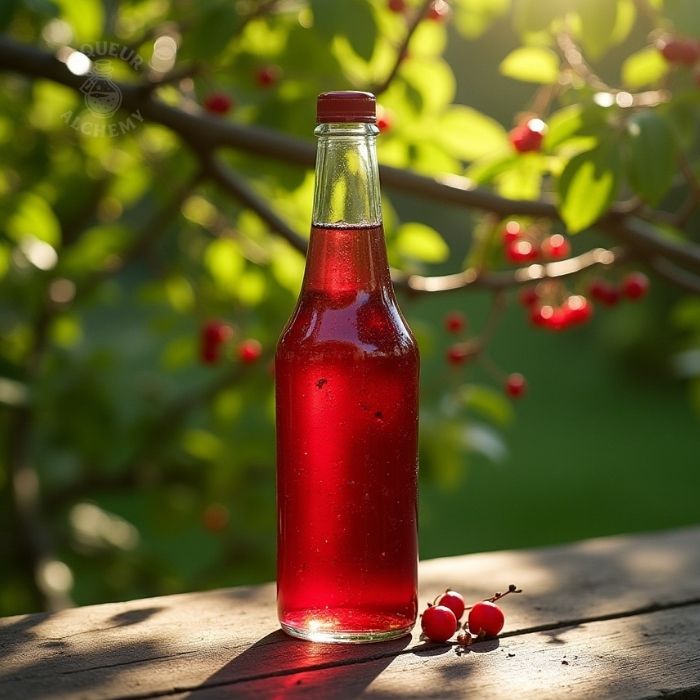
As a rule of thumb, give it at least a couple of weeks after sweetening and filtering before judging. Cooler storage and minimal light help preserve bright citrus while allowing the deeper notes (dates, spice) to integrate. Shake gently only if needed; too much agitation keeps sediment suspended and can make it seem rougher.
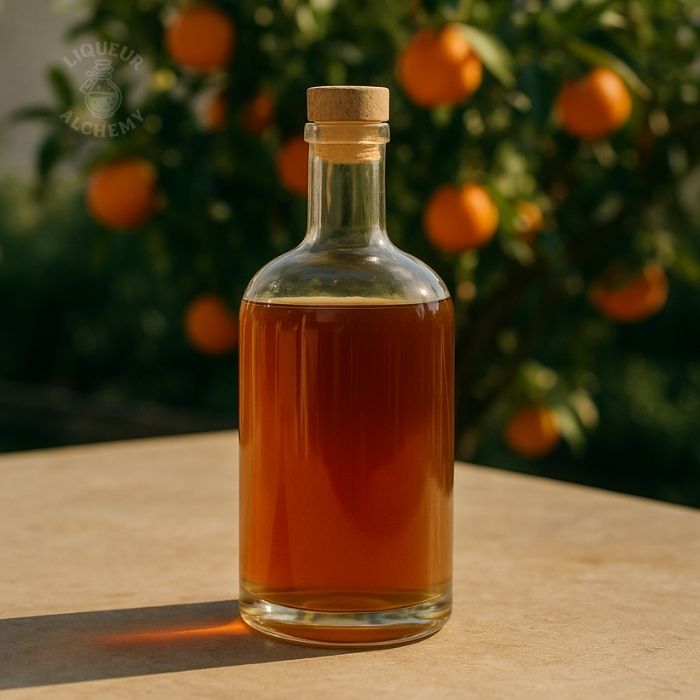
If it’s still edgy after a month, the fix is usually time, not more sugar. Small dilution can soften the grip, and serving slightly chilled can make tannin feel smoother. When it’s ready, it tastes “amber and plush,” not sharp.
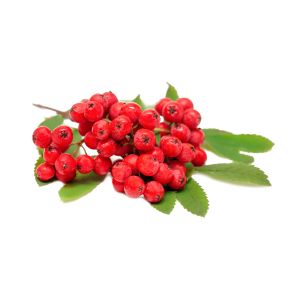
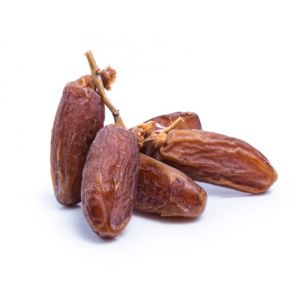
What can substitute rowanberry and dates while keeping tart depth and caramel body?
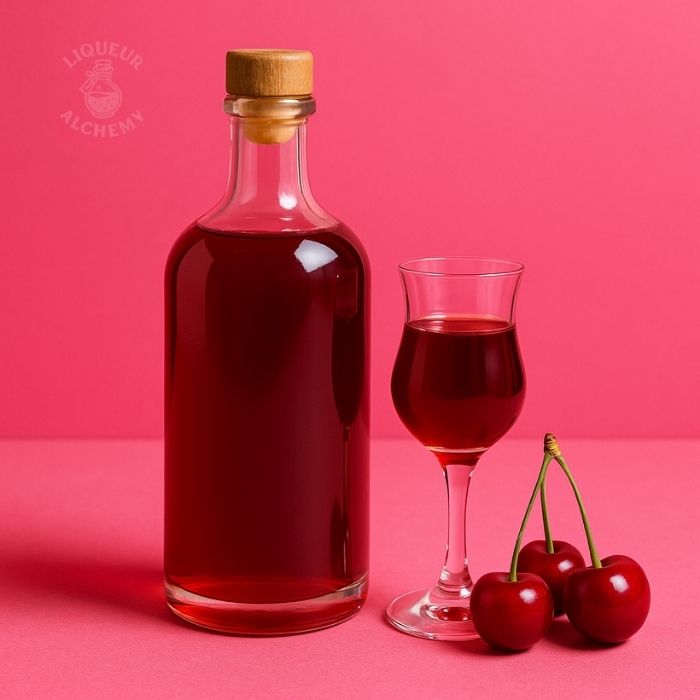
Rowanberry brings tannic tartness with a slightly wild, orchard bitterness; dates bring chewy caramel richness. If rowanberries aren’t available, look for fruit that offers both acidity and gentle tannin—cranberries, sour cherries, or even a tart red berry blend can get you close. The goal is “bright and structured,” not jammy.
For dates, raisins or dried figs can stand in, but they each shift the profile: raisins lean fruity and winey; figs lean honeyed and floral. If you swap, keep the dried fruit portion modest and taste early so the base doesn’t become too dark or heavy.
Whatever the substitution, preserve the citrus element (mandarine zest/juice) because it keeps the whole drink lifted. A little patience after sweetening helps: the dried-fruit body integrates and the berry acidity becomes smoother rather than sharp.