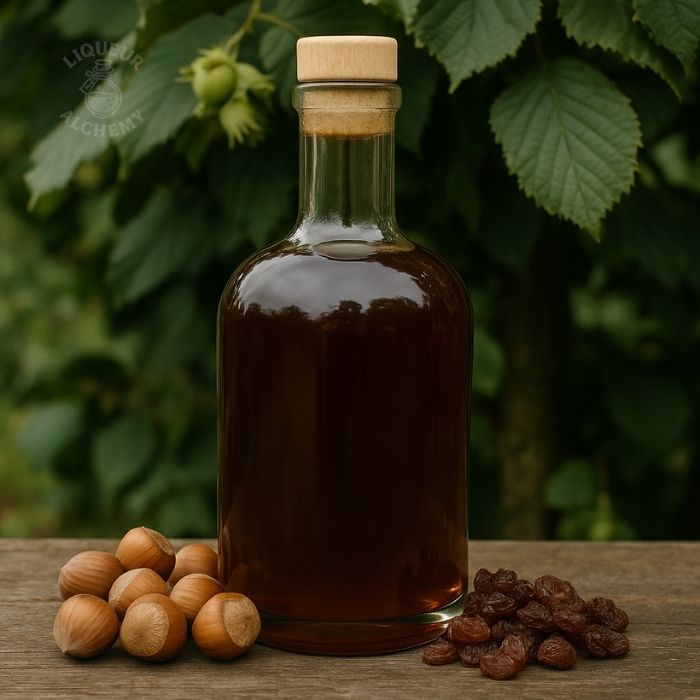
How do you balance whiskey with raisins and sweeteners so it doesn’t taste hot or cloying?
Whiskey brings oak and heat, raisins bring chewy sweetness and body, and your sugar/honey blend can push the drink into thick territory. If it tastes “hot,” alcohol is sticking out. If it tastes cloying, density is masking aroma.
Taste chilled and consider dilution first. A small addition of spirit (or a tiny splash of water) can reduce perceived heat by lowering sweetness density and letting aromatics breathe. Then adjust sweetness in small steps—especially with honey.
Resting does a lot of heavy lifting here. Whiskey heat softens, raisin body rounds out, and spices integrate. Many batches that feel hot in week one become smoother and more cohesive after a couple of weeks.
When should you remove coffee, cocoa, and star anise so they don’t overwhelm raisins and nuts?
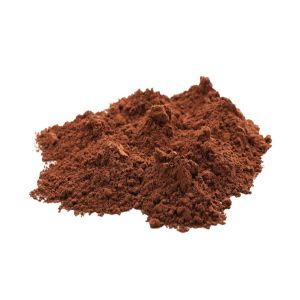
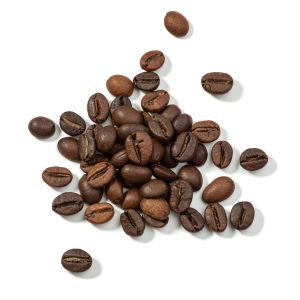
Coffee and cocoa extract quickly, and star anise can dominate with licorice. Together, they can bury hazelnut aroma and turn the finish dry and dusty. The goal is whiskey richness with raisin caramel, nut warmth, and a gentle roast note.
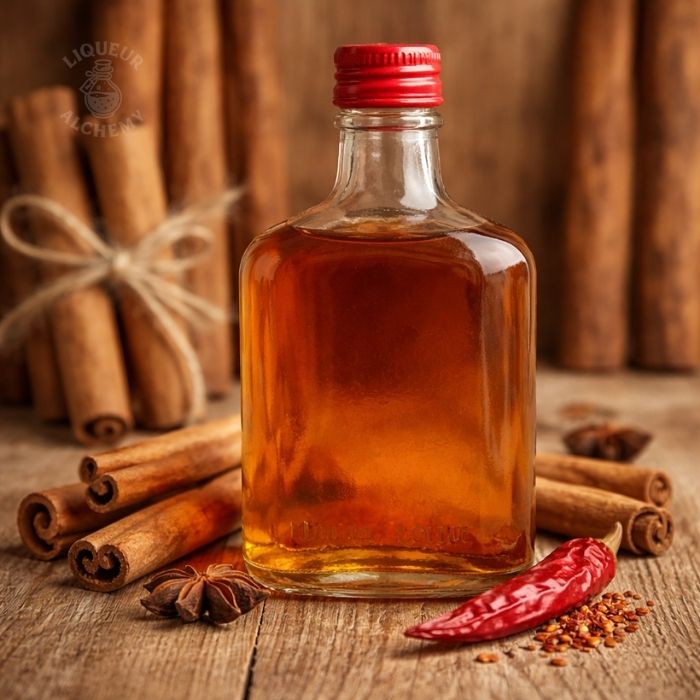
Pull coffee first when aroma is clear but not smoky or ashy. Cocoa keeps adding bitterness and sediment, so strain thoroughly and let it settle, then filter again after fines drop. Remove star anise as soon as licorice is clearly noticeable—don’t wait for it to “round out.”
If it’s already too roasty or anise-heavy, strain and rest. A small dilution can soften harsh edges and bring nuts/raisins forward. Avoid fixing by heavy sweetening—extra sugar can make cocoa feel even more dusty.
Why can hazelnut liqueur taste stale or rancid, and how do you prevent it?
Nuts contain oils that can oxidize, creating stale, cardboard, or rancid flavors over time. Alcohol helps preserve, but it doesn’t stop oxidation—especially if nuts are old, pre-ground, or stored warm. Coffee and cocoa can also make stale notes feel stronger if the base isn’t clean.
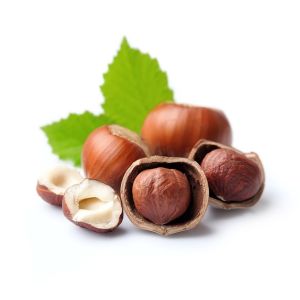
Use fresh hazelnuts that smell sweet and nutty, not oily. Light toasting can enhance aroma, but over-toasting creates bitterness and burnt notes that mimic staleness. Strain very well to remove nut fines, and store bottles cool and dark with minimal headspace.
If true rancid flavor appears, it usually won’t disappear with resting. The best “fix” is prevention: fresh nuts, good filtration, and calm storage. If it’s only slightly stale, a longer rest sometimes helps integration, but it won’t reverse oxidized oils.