“Liqueurs vs Infusions vs Cordials: Spirit, Sugar, Maceration & Aging”
Homemade liqueur is more than pouring sugar into vodka. It’s a simple craft built on four pillars: spirit (the carrier), flavor (fruit, spice, herb), sugar (balance and texture), and time (extraction plus rest).
A homemade liqueur is a flavored spirit that’s been sweetened and rested until it tastes integrated—not raw or harsh. In its simplest form, it’s built from four essentials: spirit (the carrier), sugar (the balancer), flavor (fruit/spice/herb), and time (extraction + maturation).
The key idea: liqueur making isn’t “dump sugar and hope.” It’s a controlled craft where you extract flavor with alcohol, then sweeten to shape the finish, and finally rest the mixture so the edges soften and the aroma becomes cohesive.
Liqueur Alchemy viewpoint: “Sweet” is a tool, not the destination. A good liqueur tastes balanced, aromatic, and intentional—whether it’s fruit-forward, spice-led, or herbaceous.
Liqueur vs infusion vs cordial
What is a liqueur?
A liqueur is a spirit that’s flavored (by maceration/infusion/extracts)
and sweetened (sugar, syrup, honey, jaggery, etc.). Most liqueurs also benefit from
a resting period to become smooth and unified.
What is an infusion?
An infusion is flavor extracted into alcohol—usually without sugar at first.
Many “homemade liqueurs” begin life as an infusion. You can keep it as a dry infusion (for cocktails),
or turn it into a liqueur by sweetening and resting.
What is a cordial?
Cordial historically implies a “comforting” sweetened drink (often medicinal in tradition),
but modern usage overlaps heavily with liqueur. Some people also call fruit syrups “cordials,” which adds confusion.
For practical home craft: treat “cordial” as a naming tradition, and focus on the method (spirit + flavor + sugar + time).
Quick comparison
Type
Alcohol
Sugar
Common use
Typical outcome
Infusion
Yes
No (usually)
Cocktails, base for liqueur
Dry, aromatic, sometimes intense
Liqueur
Yes
Yes
Sipping, desserts, cocktails
Balanced, rounded, integrated sweetness
Cordial
Often yes
Often yes
Tradition-dependent
Overlaps with liqueur
The four pillars of homemade liqueur
1) Spirit (the carrier)
Alcohol is the solvent that pulls aroma compounds, oils, and color from ingredients.
Neutral spirits (like vodka) showcase the ingredient; character spirits (rum, brandy, whiskey, gin)
add their own notes and can turn the same fruit into a totally different profile.
Neutral base: clean, ingredient-led results.
Character base: richer, deeper, more “built” flavor.
Strength matters: too low can under-extract; too high can pull harsh bitterness faster.
2) Sugar (the balancer)
Sugar doesn’t just sweeten—it changes mouthfeel, carries aroma, and smooths sharp edges.
The goal is harmony: enough sweetness to support fruit/spice, without muting the top notes.
3) Flavor (the soul)
Fruits bring body and brightness, spices bring structure and heat, herbs bring lift and complexity, peels bring zing and oils.
Preparation matters: slicing fruit increases surface area, lightly cracking spices increases extraction, and zest timing prevents bitterness.
4) Time (the invisible ingredient)
Time has two jobs: extraction (getting flavor into alcohol) and maturation (making the whole thing taste unified). Most “too sharp” liqueurs aren’t ruined—they’re simply too young.
How homemade liqueur is made?
A simple workflow: extract, sweeten, rest, filter, bottle.
Choose your spirit: neutral or character base depending on your goal.
Macerate (extract): combine ingredients + spirit, store in the dark, taste along the way.
Strain: remove solids when flavor peaks (don’t leave citrus/spices too long).
Sweeten: add syrup/sugar/honey gradually until the balance feels right.
Rest: let it sit so sharp edges round out and aroma integrates.
Filter: fine filtration if needed for clarity.
Bottle: label with date, base spirit, and key ingredients for repeatability.
Shortcut that isn’t a shortcut: Taste during maceration. It prevents over-extraction and saves batches.
Maceration explained (the heart of liqueur making)
What is maceration?
Maceration is the process of soaking ingredients in alcohol so it can dissolve aroma compounds, pigments, oils, and flavors.
Think of alcohol as a flavor “solvent”: it pulls out what’s soluble from fruit, spices, herbs, and peels. Extraction happens
in layers—some notes arrive fast (bright aromatics and citrus oils), while others build slowly (tannin, bitterness, woody spice,
earthy depth). This is why a jar can taste amazing on day 5 and slightly harsh on day 12: you’ve moved from aroma extraction into
deeper structural compounds.
Two forces control maceration most: surface area (how you cut/bruise/crack ingredients) and time.
Smaller pieces extract faster and harder. For spices especially, “more” isn’t better—often it’s “shorter.” The easiest way to macerate well is to taste on a schedule and remove ingredients as soon as they hit the flavor you want.
Typical timing by ingredient type (rule-of-thumb)
Timing depends on spirit strength, ingredient freshness, and how aggressively you prep the ingredients. Use the list below as a
starting point, then let your tongue make the final call.
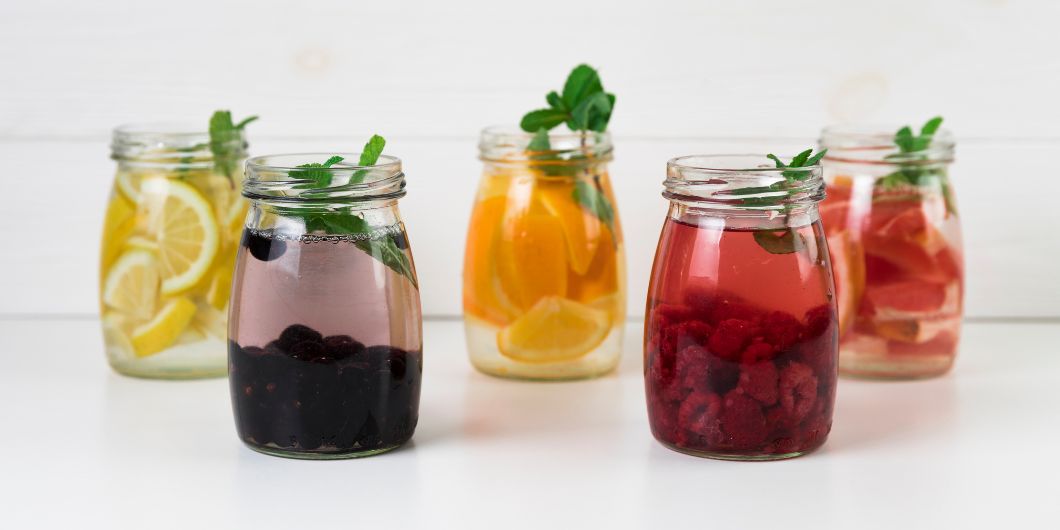
Soft fruit (berries, ripe stone fruit): extracts quickly; color and aroma show early. Taste frequently to avoid jammy bitterness from skins.
Harder fruit (apples, quince, crabapple): slower extraction; benefits from longer contact and then a longer rest to round out acidity and tannin.
Vegetables (carrot, beet, chili, ginger): can extract surprisingly fast when grated/sliced; earthy or spicy notes can dominate—start short and taste often.
Dried fruits (dates, raisins, figs, apricot): extract steadily and add body; can push “cooked” notes if left too long. Often best when paired with spice.
Nuts (almond, hazelnut, walnut): slow but powerful; oils add richness but can turn heavy. Toasting changes direction (more roasted/caramel notes) and can speed extraction.
Seeds (coriander, fennel, cardamom, cacao nibs): crack lightly for controlled extraction; too much crushing can make it harsh or overly perfumed.
Citrus peel: packed with essential oils; big impact fast. Avoid pith (white layer) and consider removing peel early to prevent bitterness.
Spices: a little goes far; “structure” rises fast. Cinnamon/clove/star anise can dominate quickly, especially in warm conditions.
Herbs: lift and freshness, but can go grassy if overdone. Often best added late or infused briefly, then removed.
How to control extraction (simple technique)
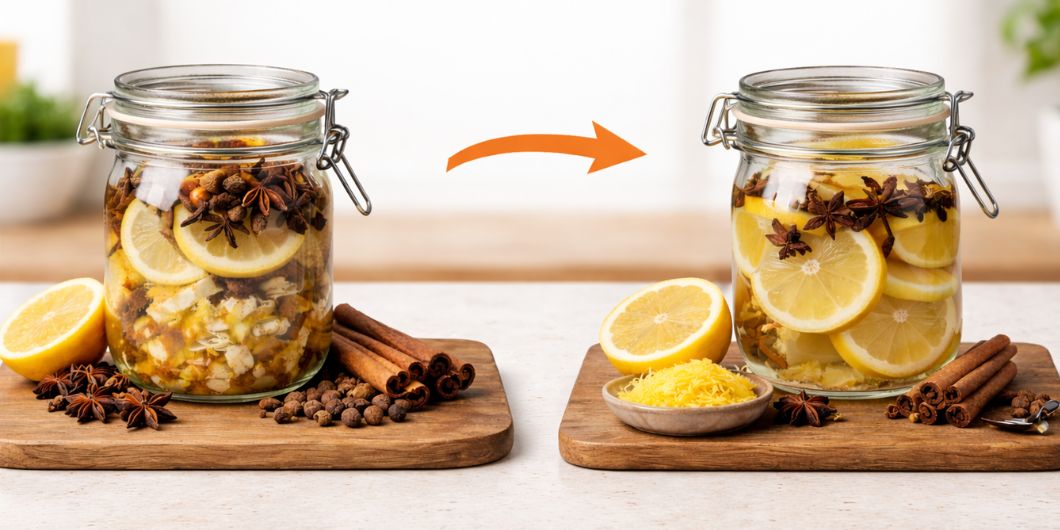
The most reliable technique is staged maceration (also called “remove-early ingredients”). Build your jar in layers: keep the fruit base longer, but treat peel, herbs, and strong spices as short-term guests. Add delicate ingredients later—or remove them first—while the main ingredient continues to macerate. This gives brightness without bitterness and keeps spice from flattening the fruit.
Pro tip: If you overshoot (too spicy / too bitter), don’t panic. Strain immediately, then let the batch rest. After resting, you can often rescue balance by blending with a compatible plain infusion or a little more base spirit before sweetening.
Sugar science: sweetness isn’t the goal
Sweeteners change flavor and texture
White sugar: clean sweetness; lets aromatics speak.
Brown sugar: caramel notes; adds depth.
Honey: floral, complex; can dominate if heavy-handed.
Jaggery: warm, earthy sweetness; pairs well with rum/brandy/spice.
Rock sugar / mishri: slow-dissolving, gentle sweetness; good for subtle profiles.
When to sweeten
Most of the time, sweeten after you’ve extracted flavor and strained solids. This keeps extraction clean and gives you control. Add sweetener gradually, taste, and stop when the finish feels “complete.”
Practical tip: Sweeten in stages. The first taste after sugar is not the final taste—resting changes everything.
Aging & resting: when does a liqueur improve?
“Aging” for homemade liqueur usually means resting in glass. Over time, sharpness softens,
spice integrates, and the aroma becomes rounder. Some liqueurs peak fast; others need patience.
Citrus pith bitterness can linger if you extracted too much
Strength, dilution & storage basics
Why strength matters
Alcohol strength affects extraction and final balance. Stronger alcohol extracts quickly and can pull bitterness sooner.
Lower alcohol extracts slowly and may miss deeper notes.
Simple dilution approach (no heavy math)
If your liqueur tastes too “hot,” don’t rush to water it down immediately. First try:
more resting time and slight sweetness adjustments. If you do dilute, do it gradually,
taste often, and keep notes so you can reproduce results.
Storage
Keep in a cool, dark place.
Label bottles with date + base spirit + key ingredients.
Clarity can change over time; that’s normal in natural infusions.
Small changes—like removing zest early—can prevent bitterness.
Over-spicing: Start lighter than you think. You can add later; you can’t remove easily.
Leaving citrus too long: Zest is powerful—avoid pith, and consider removing zest early.
Over-sweetening early: Sweeten gradually and rest before final judgment.
Not tasting during maceration: Set a routine (every few days) so you catch peak flavor.
Filtering too aggressively: Over-filtering can strip aroma; filter only as much as needed.
Expecting instant results: Many liqueurs “click” after resting.
Homemade vs commercial liqueurs
Commercial bottles often optimize for consistency and shelf stability—sometimes at the cost of vivid, fresh aromatics.
Homemade liqueurs can taste more “alive,” because you control ingredient quality, extraction, and sweetness level.
In many places, infusing and sweetening store-bought alcohol for personal use is treated differently
than distilling alcohol (which is often regulated). Rules vary by country and even region.
For anything beyond personal use, check local regulations.
Note: This is general information, not legal advice.
Where to start next?
If you’re new, start with one simple fruit and one gentle spice. Keep notes, taste as you go, and aim for balance.
An infusion is a technique: you soak ingredients in alcohol to extract flavor. A liqueur is a finished product: it’s a sweetened, flavored spirit that often starts with an infusion, then gets sugar (and sometimes water) added and is rested.
So all liqueurs involve some form of infusion or maceration, but not all infusions are liqueurs. For example, a flavored vodka with no added sugar is an infusion, not a liqueur in the classic sense.
The key difference is sweetness and intent. Liqueurs are built for sipping or mixing with a defined sweetness and texture, while infusions are often used as bases or modifiers where you control sweetness later.
Do I need special equipment?
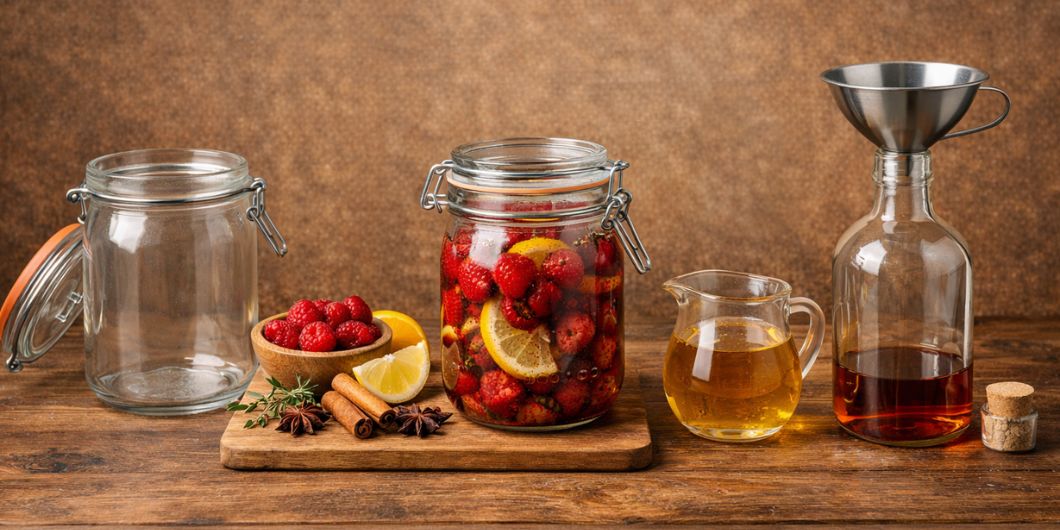
No—you can make excellent liqueurs with basic kitchen gear: a clean jar with a tight lid, a scale or measuring cup, and a strainer. A funnel and clean bottles make bottling easier, but they’re not mandatory.
The “upgrades” are about convenience and clarity. Fine mesh, filter bags, or coffee filters help remove sediment; a hydrometer and calculator help estimate ABV if you’re doing water/syrup adjustments.
The biggest equipment factor is cleanliness. Clean jars, tools, and bottles prevent off-flavors and reduce spoilage risk—more important than any fancy gadget.
How do I avoid bitterness?
Bitterness usually comes from citrus pith, over-infused spices, or tannins from skins, seeds, and stems. The fix is to target aromatic parts (colored zest), use gentle dosages, and taste early rather than relying on fixed timelines.
Temperature matters too. Warm storage speeds extraction and can push a batch into bitter territory faster. Keeping infusions cool and out of sunlight gives you a wider window to catch peak flavor.
If bitterness appears, strain immediately and balance with sweetness, dilution, or blending with an unbittered base. Rest helps, but prevention is best: taste often and stop extraction on time.
How long should I rest a liqueur?
Resting lets sugar and alcohol integrate and allows harsh edges to soften. Even a few days can help, but many liqueurs taste best after 1–3 weeks of rest after sweetening.
Spice, coffee, nuts, and darker fruit liqueurs often benefit from longer rest—sometimes 1–3 months—because their flavors merge and round out. Bright citrus and delicate herbs can peak early and slowly fade.
A good routine is: strain, sweeten, rest 7 days, taste, then decide. If it feels sharp or disjointed, give it more time. If it’s bright and perfect, bottle it and store cool and dark to preserve top notes.
Can I make a liqueur less sweet?
Yes—if it’s already bottled, the cleanest fix is blending. Add more base spirit or combine with a less-sweet batch to reduce sweetness while keeping alcohol stable. Do it in small steps and re-taste after it rests.
You can also rebalance with structure: a tiny acid adjustment (citric acid/lemon), gentle bitterness (bitters, tea), or warm spice can make sweetness feel lower without drastically changing sugar content.
If you’re still in production, sweeten last and go slowly. It’s easy to add more sugar; it’s harder to take it away. Keep notes so you can repeat the balance next time.
Explore More Liqueur Knowledge
Discover more guides, techniques, and ingredient insights from the Liqueur Alchemy Knowledge Hub. Explore articles that explain the science of flavor extraction, balance sweetness and alcohol, and help you craft better homemade liqueurs with confidence and creativity.