How do you balance multiple sugars and dark muscovado so it doesn’t hide fruit and tartness?
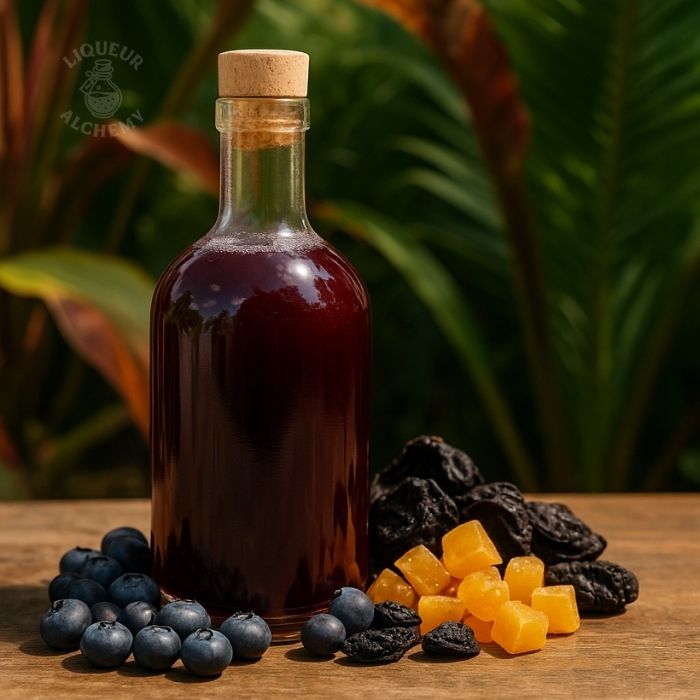
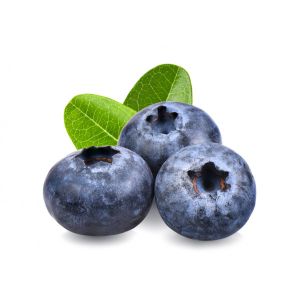
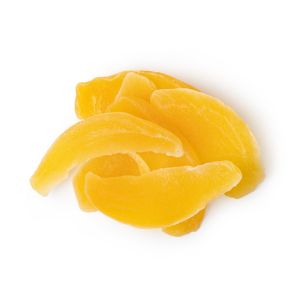
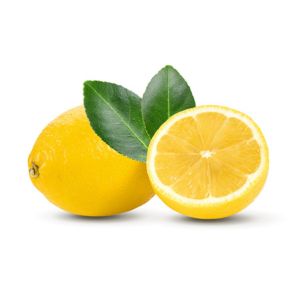
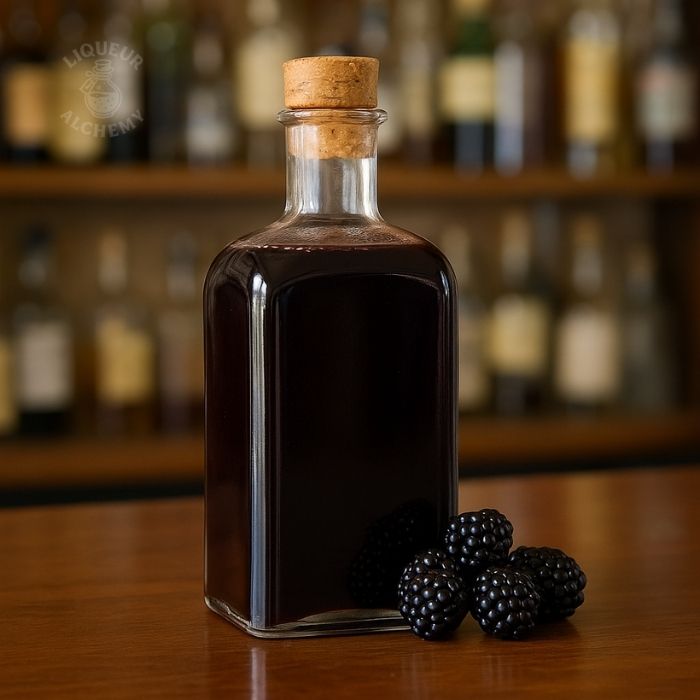
Dark muscovado brings deep molasses notes that can mask light fruit and make acidity feel muted. With blueberry, jackfruit, kokum, and lemon, you want sweetness that still feels “bright.” If it turns heavy, it’s usually too much dark sugar or too much total sugar.
Add sweeteners gradually and taste chilled. If the drink feels syrupy, the cleanest correction is slight dilution with vodka—this lowers density and lets aroma lift. Then re-check tartness: lemon and kokum should read mouthwatering, not sharp.
Resting improves perception of balance. Molasses notes mellow and stop crowding the fruit. After a short rest, micro-adjust lemon only if needed, because acid changes can swing fast in a sweet-tart profile.
What can substitute dried kokum if you want the same tart, dark fruit depth?
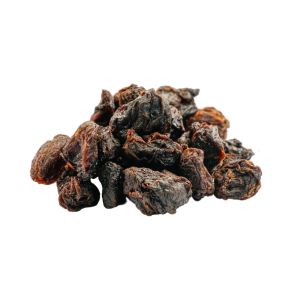
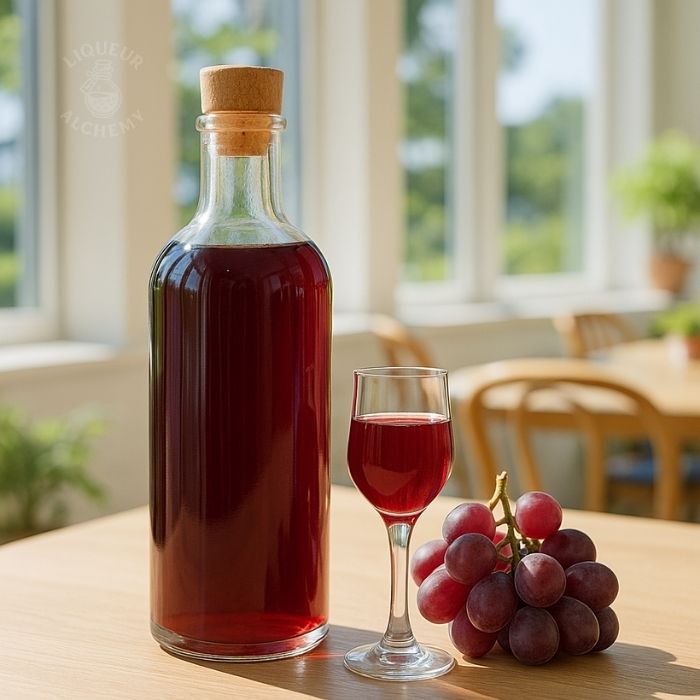
Kokum brings a distinct sour-plum tang with a darker fruit depth. If you can’t get it, substitute in the direction of “tart + dark.” Hibiscus can mimic color and tang; dried sour cherries or cranberries add clean acidity with fruitiness.
Tamarind can also stand in for sourness, but it leans more caramel-sour and can thicken the infusion. If you use tamarind, go light and taste early so it doesn’t dominate. If your substitute is very acidic, reduce lemon to keep the drink from turning sharp.
The best approach is to preserve balance: keep the sweeteners layered and let the tart note sit underneath, not on top. Resting also helps sour elements feel smoother and more integrated.
When should you remove star anise, cloves, and white pepper so the tropical notes stay bright?
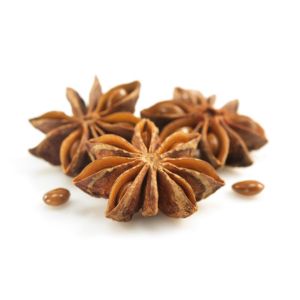
Jackfruit can be delicate and candy-fruity, while blueberry is soft and round—both can get bullied by clove and star anise. White pepper adds a gentle lift, but if it steeps too long it can turn papery and woody. The goal is spice sparkle, not spice takeover.
Use staggered removal: pull cloves first as soon as you smell warm clove oil; pull star anise once licorice is clearly present. Keep white pepper subtle and remove it at the first sign of dryness. Whole spices are much easier to control than powders.
If you overspice, rest first—spice edges soften. Then consider a small dilution to open aroma. Avoid “fixing” by adding more fruit late; that often adds haze without restoring brightness.